 Website Designing
 Web Development
 Mobile Applications
 Marketing
 CMS & Ecommerce
SaaS companies shipping AI workflows aren’t waiting for perfect. They’re shipping messy, iterative automations that return ROI inside 8 weeks. Lead scoring that learns. Churn detection that catches accounts before they fail. Expansion triggers that find upsell opportunities before the customer even knows they need them.
This guide covers 15 AI workflows already running in production at scaled SaaS companies. What each workflow does. What revenue lever it pulls. How to get started.
Lead and Demand Generation (Workflows 1–4)
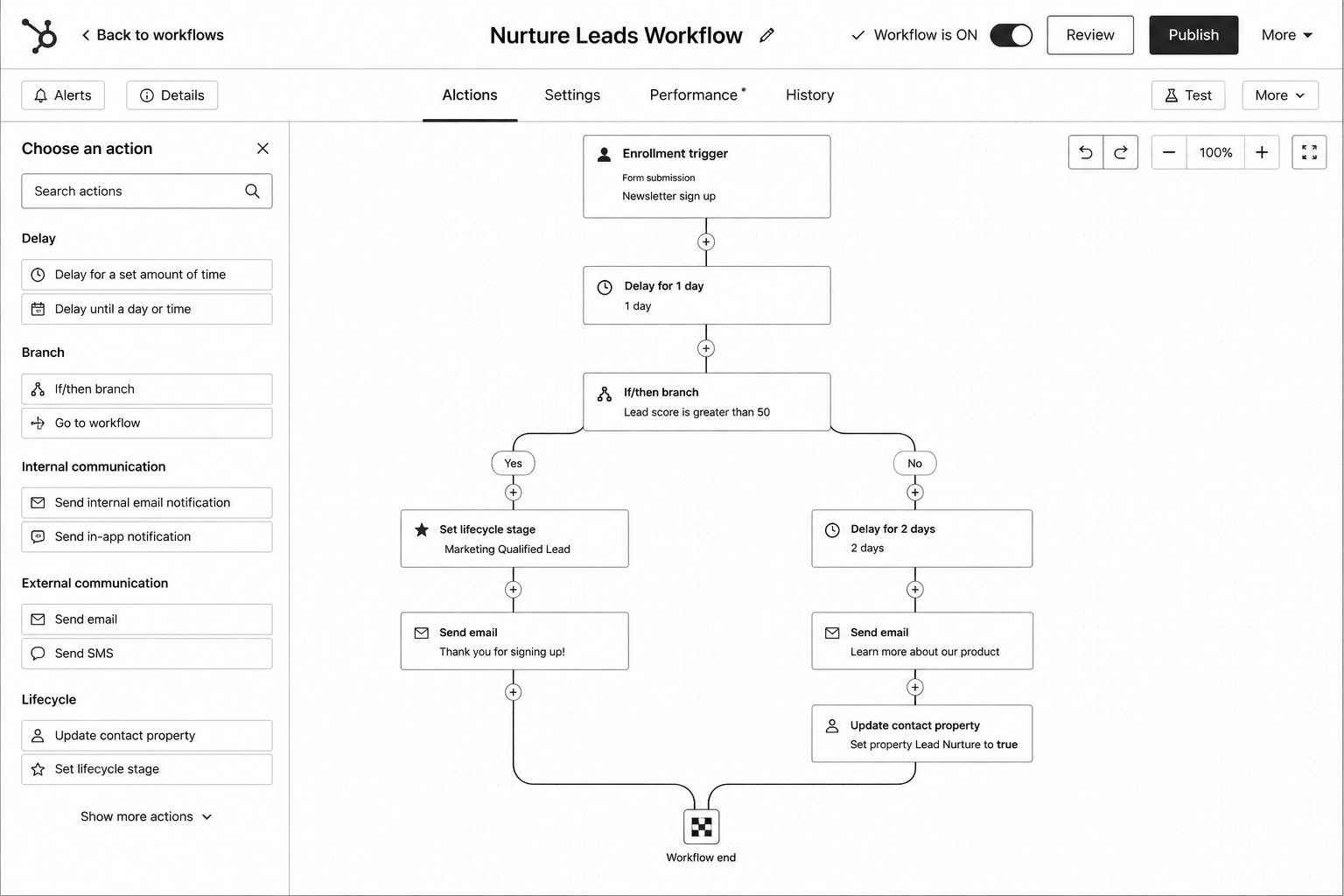
1. Lead qualification scoring (AI-assisted). Combine firmographic (company size, industry, growth stage) + behavioural (email opens, website visits, demo request) into a single score. Predict which leads will close. Sales prioritises high-scoring leads. ROI: 20–30% improvement in sales efficiency.
2. Inbound lead conversation routing. Chat inquiry comes in, Claude classifies intent and urgency. Route to appropriate team (sales, support, product). Reduces response time by 50%. ROI: faster response, more conversions.
3. Personalized outreach sequencing. Combine account intent signals (website behaviour, industry, company news) with outreach. Different email sequences by buyer profile. Higher engagement than blast sequences. ROI: 2–3x higher email open rates.
4. Competitive intelligence trigger. Monitor news/LinkedIn for competitor mentions at your prospects. Auto-trigger sales outreach: “Saw you’re evaluating [competitor], we’re faster.” Early intervention in buying process. ROI: 10–15% win rate improvement.
Onboarding and Activation (Workflows 5–8)
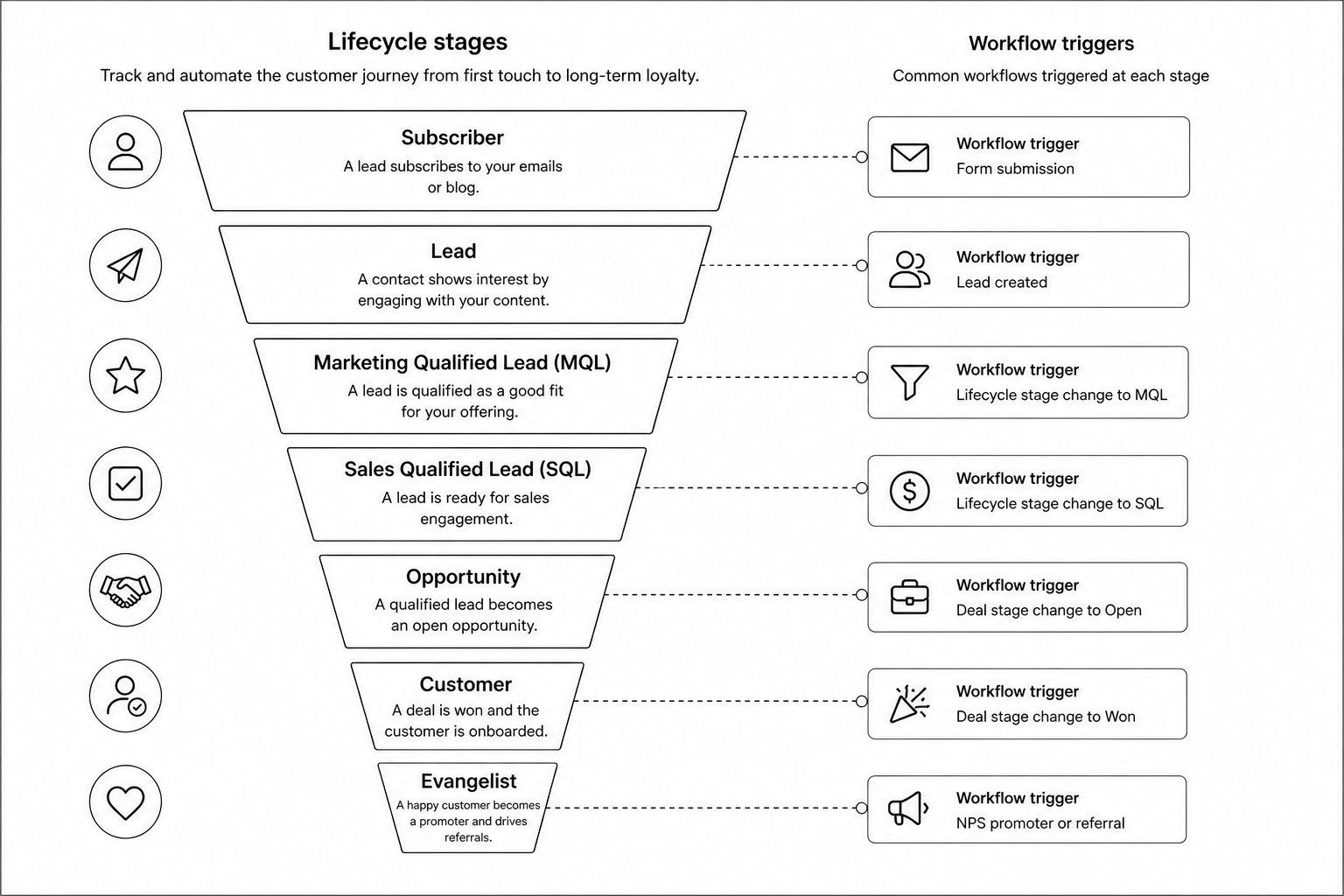
5. Onboarding journey orchestration. New signup triggers personalized onboarding sequence based on use case. Customer A gets “operations setup” path. Customer B gets “analytics” path. 30–40% higher time-to-first-value.
6. Feature adoption nudge engine. Monitor product usage. Customer activated, but hasn’t used feature X yet? Trigger automated email or in-product nudge with tutorial. Increases feature adoption by 20–30%.
7. Support ticket auto-response and triage. Incoming support ticket → Claude summarises and suggests answer from knowledge base. If auto-response isn’t confident, route to human. Resolves 30–40% of tickets without human touch.
8. Activation milestone celebration (retention play). First successful workflow completion, first report generated, first team member invited — each triggers congratulatory message + upsell nudge. Small retention lift (5–10%) compounds over time.
Retention and Churn Prevention (Workflows 9–12)
9. Predictive churn scoring. Combine NPS scores, feature adoption drop, support ticket surge, usage decline. Assign churn risk score. High-risk accounts trigger immediate customer success intervention. Prevents 10–15% of would-be churn.
10. Win-back campaign for at-risk accounts. Churn risk detected. Trigger automated email from founder/CEO: “We saw you’re not using X feature. Let’s fix what’s broken.” Reactivates 15–25% of at-risk accounts.
11. Engagement re-scoring on inactivity. No login for 14 days, engagement score drops. Trigger “we miss you” email. No login for 30 days, trigger more aggressive win-back. Simple lifecycle automation with 10–15% recovery rate.
12. Customer health dashboard monitoring. Monitor key health indicators (usage, feature adoption, support sentiment). Combine into account health score. Red accounts immediately routed to customer success. Proactive support beats reactive fire-fighting.

Expansion and Revenue Growth (Workflows 13–15)
13. Upsell opportunity detection. Customer uses feature A heavily, hasn’t tried feature B yet (often a paid upgrade). Auto-trigger in-app messaging or email: “Since you love A, you’d benefit from B.” Drives 15–20% increase in upsell conversion.
14. Land-and-expand account mapping. Existing customer, new contact signs up from same company. Auto-detect cross-sell opportunity. Route to sales for expansion conversation. Finds 20–30% of opportunities sales team misses manually.
15. Customer success handoff intelligence. At contract renewal, AI compiles expansion recommendation package: “This account is ideal for [upsell]. Success metrics support [expansion story].” Sales walks into renewal with playbook, not guesswork. 10–15% uplift on renewal value.
Implementation Hierarchy: Start Here
Phase 1 (Weeks 1–4): Quick wins — Workflows 1 (lead scoring), 7 (support triage), 9 (churn scoring). Low complexity, high ROI. Get these live first.
Phase 2 (Weeks 5–12): Revenue-driven — Workflows 3 (outreach sequencing), 13 (upsell detection), 14 (land-and-expand). Medium complexity, highest revenue impact.
Phase 3 (Weeks 13+): Lifecycle-optimised — Workflows 5 (onboarding), 11 (engagement re-scoring), 15 (renewal intelligence). Longer development cycle but compound lift over 6 months.
Want to map which 15 workflows your SaaS company should prioritise? Our AI specialists run free workflow audits. Book one.
FAQ
Which AI workflow should SaaS companies start with?
Lead scoring (Workflow 1) or churn detection (Workflow 9), depending on bottleneck. If sales efficiency is your problem, start with scoring. If retention is bleeding, start with churn.
How long before these workflows ROI?
Quick wins (scoring, triage): 4–8 weeks. Revenue workflows (upsell, land-and-expand): 8–16 weeks. Lifecycle workflows (onboarding, health): 12–24 weeks.
What’s the cost to build these workflows?
Per workflow: £1.5k–5k depending on complexity. Tool costs: £100–500/month (n8n, Zapier, LLM APIs). Total Year 1: £30k–80k for 10–15 workflows.
Do I need an AI automation agency or can we build these in-house?
In-house works if you have engineering discipline and time. For most SaaS teams, agency is faster to first workflow. Hybrid (audit + strategy from agency, build in-house) works well.
What’s the biggest risk of AI workflows for SaaS?
Bad data in = bad decisions out. Make sure your data quality is strong before automation. Garbage lead scoring from bad CRM data wastes everyone’s time.
Conclusion: SaaS ROI Comes From Workflow, Not Model
The SaaS companies winning with AI in 2026 aren’t using fancier models. They’re using better workflows. Scoring based on real data. Churn detection on company-specific signals. Upsell triggers calibrated to their product and customer base.
Start with workflow 1, 7, or 9. Measure. Learn. Stack the next 3–4. You’ll see 20–30% improvement in sales efficiency + retention inside 90 days if you stay disciplined.
Our AI automation team builds SaaS workflows for revenue. Book a consultation to map your 15-workflow roadmap.
The SaaS AI Workflow Library
— templates for all 15 workflows with input/output examples and implementation steps.