




Inbound Logo
Web Development
Resources
Free audit
Free HubSpot Portal Audit
Get an instant audit of your HubSpot portal with actionable insights to improve CRM setup, automation, marketing, and overall performance.
Start Free Audit
button arrowbutton arrow
hubspot

HubSpot Development Agency: How to Choose the Right Partner

12 MIN
May 1, 2026
In this article

Almost every HubSpot implementation fails because the team chose the wrong partner. Not because HubSpot is complex, but because 80% of certified HubSpot agencies treat certification as a marketing badge, not a practice discipline.This guide covers HubSpot tier levels, red flags that expose weak partners, questions that separate tier-one implementers from tier-four problem shops, and how to evaluate proposals objectively. Written for RevOps heads, marketing leaders, and founders planning a HubSpot build or migration.

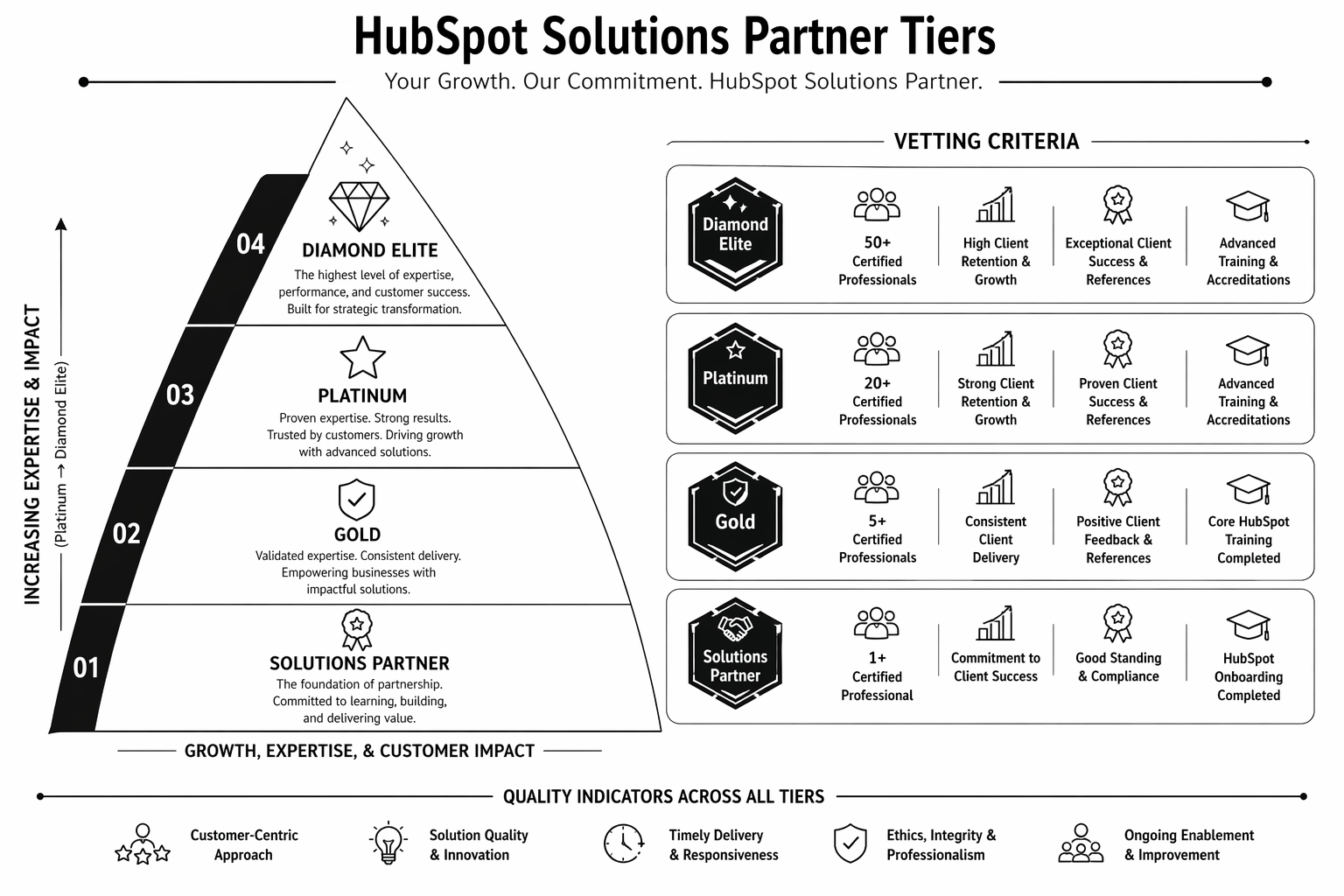
HubSpot Solutions Partner Tiers Explained

HubSpot's official partner tier system:

  • Gold — Entry-level certification. Usually 1–5 people. Good for very basic implementations, single-module help.
  • Platinum — Mid-market focused. Typically 5–20 people. Strong for website builds, CMS work, most marketing automations.
  • Diamond — Enterprise focus. 20+ people. Strong across entire HubSpot stack. Premium pricing but capability justifies it.
  • Elite — Rare. Less than 20 worldwide. Top-tier implementation, training, custom development. £200k+ minimum projects.

Most teams should target Platinum partners for website/CMS work, Diamond if you have complex RevOps requirements.

Red Flags That Expose Weak Partners

  • Gold tier pitching for £80k+ projects. They lack the bench and depth. They'll hire junior people or outsource, then you'll carry the quality risk.
  • Portfolio showing only template setups. Not real builds. Agencies with depth have case studies, not screenshots.
  • Website mentions HubSpot once and nothing else. If HubSpot is not a major pillar of their practice, it's not their focus.
  • Salesforce or Pipedrive expertise listed equally with HubSpot. CRM platforms are different. A generalist is not specialized.
  • Quoting a fixed timeline with no discovery phase. "12 weeks for your HubSpot migration" assumes they understand your scope. They don't. Red flag.
  • No retainer support mentioned. HubSpot builds require ongoing care. Agencies that don't offer retainers are implying "set and forget" is possible. It's not.
  • "We build on Zapier/integromat instead of native workflows." Third-party automation layers add cost, fragility, and vendor lock-in. Native workflows are the right pattern.

Questions That Expose Misalignment

"Walk us through your most complex HubSpot CMS Hub build. What was the CMS structure? How did you architect HubDB?" — Weak partners give generic answers. Strong partners have detailed opinions."Tell us about a HubSpot project that went wrong. What happened and how did you fix it?" — Experience surfaces here. "Everything goes smoothly" is a lie."What's your approach to property mapping and data hygiene in HubSpot?" — Properties are the foundation. Sloppy mapping breaks everything downstream. Strong partners have a documented approach."Show us your retainer model. What's included? What's not? How do you prioritise requests?" — Good agencies have clarity. Bad ones make it up as they go."What's your process for running smart content tests or multivariate experiments on HubSpot sites?" — HubSpot CMS has native A/B testing. If the agency doesn't mention it or doesn't use it, they're treating CMS Hub like WordPress."Have you migrated from WordPress/Webflow to HubSpot? What was the URL strategy? How did you preserve SEO?" — Migration experience is a differentiator.

Pricing and Engagement Structures

Typical HubSpot website builds:

  • Small site (5–10 pages, basic CMS): £15k–30k
  • Growth-stage site (15–30 pages, HubDB, smart content): £40k–80k
  • Enterprise (30+ pages, complex RevOps, integrations): £80k–200k+

Retainers after launch: £1.5k–5k/month depending on scope, team size, and update velocity.Red flags:

  • Project quotes without discovery phase built in.
  • Retainers below £1k/month (indicates minimal support).
  • Fixed-price with no change request process.
  • "Time-and-materials with no cap" (budget risk on your side).

Vetting Process: How to Actually Evaluate Partners

Step 1: Portfolio review. 5–10 projects minimum. Case studies with metrics, not screenshots. References from similar company stage/size.Step 2: Reference calls. Talk to 2–3 past clients. Ask: Did they deliver on time? Did the implementation improve your metrics? Would you hire them again?Step 3: RFP with clear scope. Send a detailed brief: current state, desired state, team composition, timeline expectations. See who asks clarifying questions vs. who submits a quote immediately.Step 4: Discovery call quality. Best agencies do a deep discovery. Watch for:

  • Do they ask about your RevOps stack? Your CRM properties?
  • Do they understand your buyer journey?
  • Do they challenge your assumptions or just confirm them?

Step 5: Proposal evaluation. Look for:

  • Detailed scope and deliverables.
  • Phase breakdown with milestones.
  • Team composition (who's building? who's managing?).
  • Post-launch retainer included or separate?
  • Clear SLAs for response time and support.
Evaluating HubSpot agencies and need a second opinion? Our HubSpot specialists can review proposals and advise on fit. Book an agency evaluation call.

After You've Hired: Protect Your Project

  • Weekly syncs, not monthly. Catches issues early.
  • Staged payments. 33% discovery/planning, 33% build, 33% launch + training.
  • Design approval gate. You approve IA and designs before build starts. Changes after this point = scope creep.
  • Retainer scope in writing. How many hours per month? What's included? What's not?
  • Knowledge transfer. Before launch, the team should know how to run basic operations in HubSpot. Training is non-negotiable.

If you're comparing platforms before choosing HubSpot, see HubSpot CMS vs WordPress to confirm fit first.

FAQ

Is a Platinum-tier partner enough for my HubSpot website?

For most B2B SaaS companies, yes. Diamond is premium if you have complex RevOps or enterprise needs, but Platinum delivers strong website and CMS builds.

What questions should I ask a HubSpot agency?

See the "Questions That Expose Misalignment" section above. Focus on specifics and past projects, not theoretical capability.

How do I know if a HubSpot agency is overcharging?

Compare proposals from 2–3 similar-tier agencies. If one quote is 2x+ higher with the same scope, ask why. Could be more experienced, could be padding.

Should I hire an agency or do HubSpot in-house?

If you have strong in-house ops and CRM expertise, in-house works. For most teams, agency is faster and reduces risk. Hybrid works too: agency for build, in-house for ongoing ops.

What's the difference between a HubSpot agency and a general web agency?

HubSpot agencies specialise in CRM-native architectures, property mapping, and lifecycle design. General web agencies treat HubSpot like a CMS. Different discipline entirely.

Conclusion: The Right Partner Pays for Itself

HubSpot implementations that fail usually fail because of partner choice, not platform choice. The right Platinum or Diamond partner reduces risk dramatically and often delivers ROI in the first quarter.Spend extra time on vetting. The partner you choose determines your project's outcome as much as the platform does.Need help evaluating agencies or choosing a HubSpot partner? Our team can advise on fit. Book a consultation.

The HubSpot Agency Scorecard — a detailed rubric to evaluate proposals and rank partner fit by Tier, capability, and cultural alignment. [contact-form-7 id="6b7a50c" title="Contact form Popup"]

KEEP BUILDING

You've got the plan. Let's build it.

We turn the frameworks you just read into the flows, pages, and automation behind them — under your brand, always.

Keep reading

View all articles
Ecommerce

Subscription Ecommerce Growth: The 2026 Strategy for Recurring Revenue

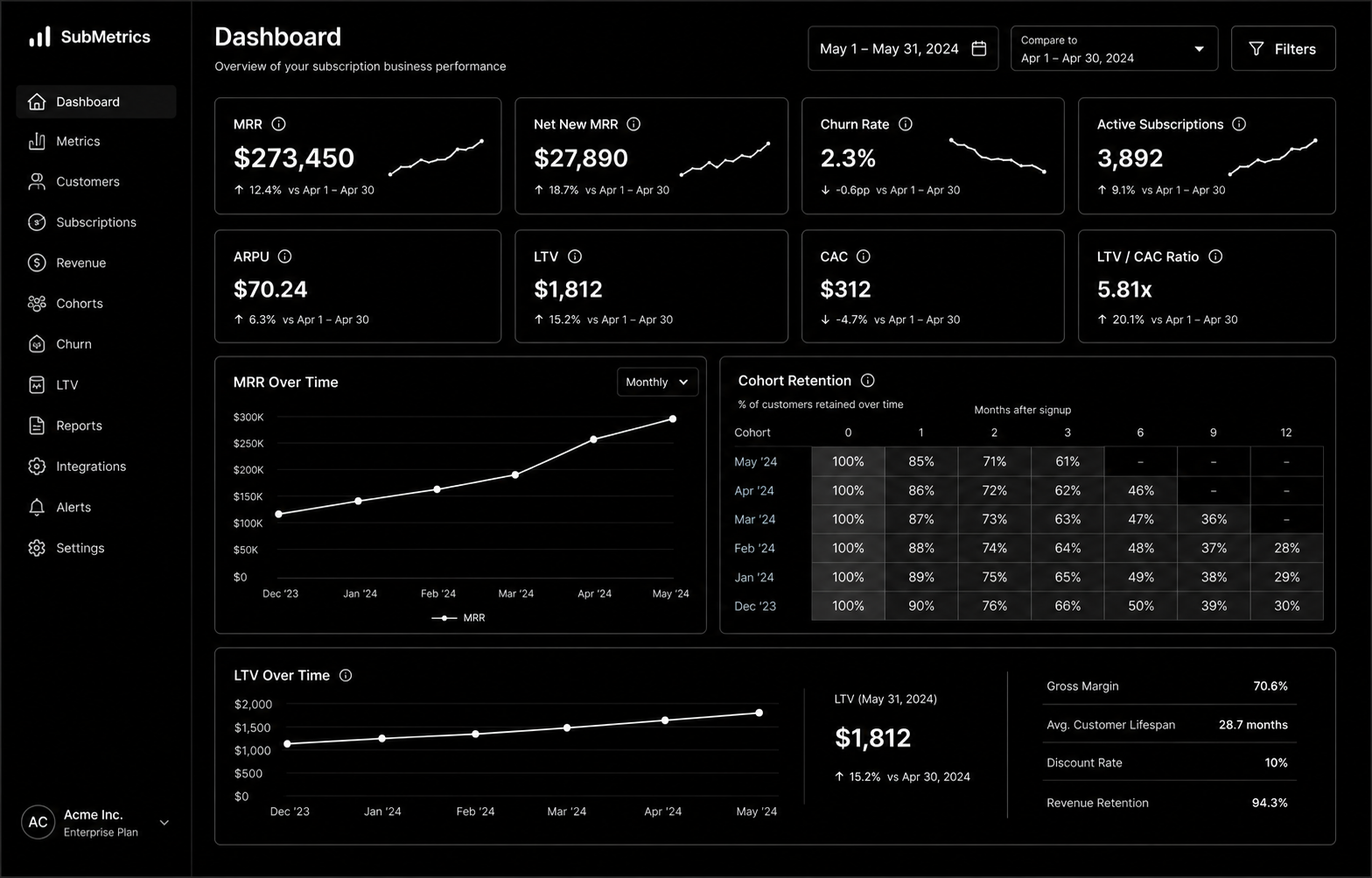
Subscription Ecommerce Growth in 2026 is won by execution quality, not platform hype. Teams that perform consistently align strategy, implementation, and measurement into one operating system. This guide gives the practical framework, internal link map, and optimization cadence to do that.Subscription ecommerce is built on retention math most brands ignore. Here's the 2026 growth strategy that actually works. If you want implementation help, work with Shopify development. For connected strategy, also review Shopify Plus Development Guide and DTC Ecommerce Growth.

What Subscription Ecommerce Growth Means in Practice

Subscription ecommerce growth is driven by retention math more than subscriber volume. Sustainable recurring revenue comes from solid unit economics, churn prevention, and disciplined experimentation.

Why subscription ecommerce Matters in 2026

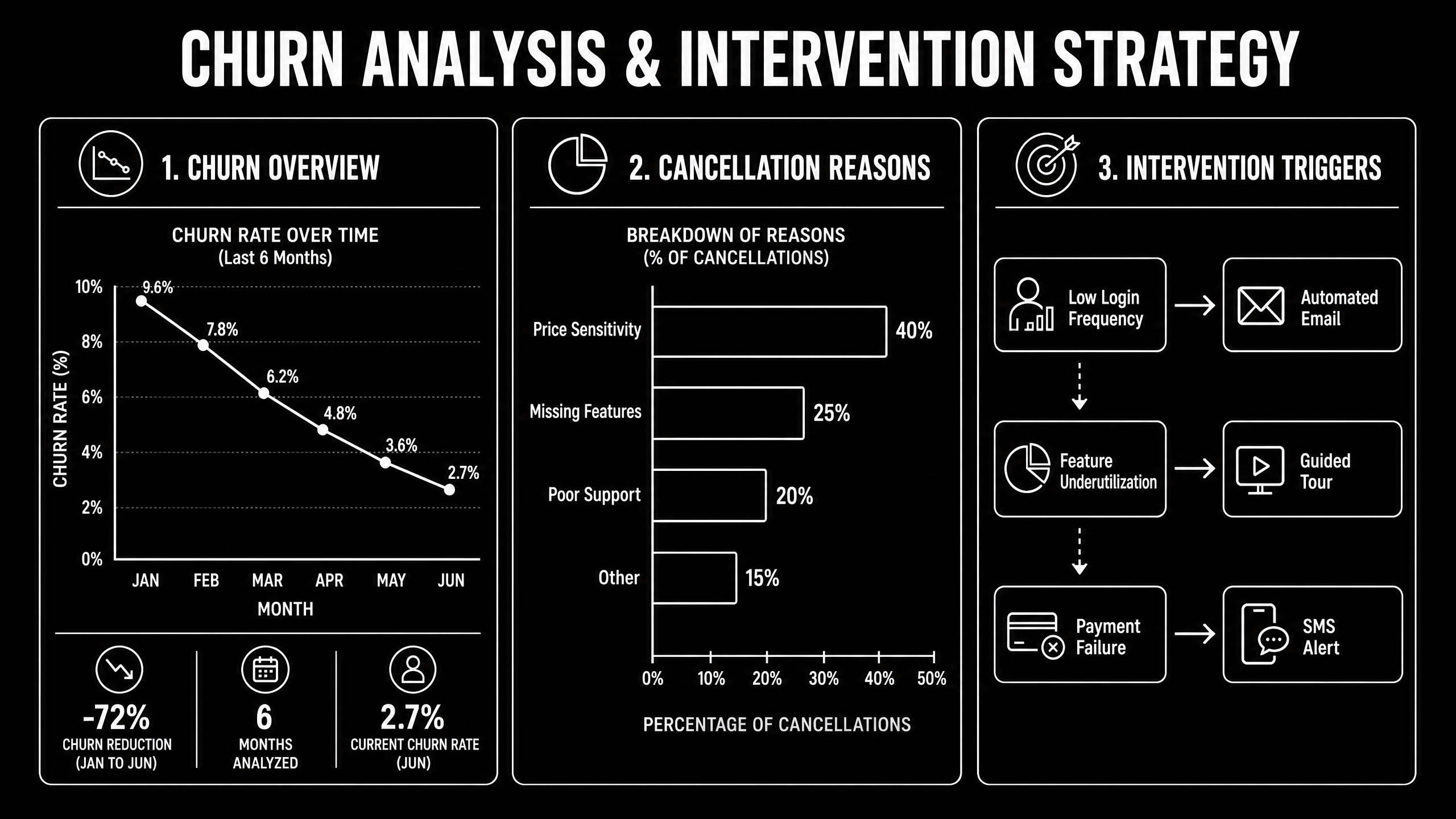
1. Recurring models fail fast when churn and fulfillment costs are ignored.2. Leadership cares more about LTV quality than raw subscriber count.3. Cancellation interventions now require tighter experimentation and segmentation.

Step-by-Step Playbook

1. Model unit economics by cohort

Track CAC payback, gross margin, and LTV by acquisition source.

2. Design subscription architecture

Define cadence options and flexibility to reduce early churn.

3. Implement churn intervention flows

Trigger save offers and outreach by cancellation signals.

4. Improve post-purchase value loop

Reinforce value between shipments with lifecycle communication.

5. Run monthly retention tests

Test pricing, bundles, and cancellation UX with guardrails.Mid-article CTA -> Need support applying this to your stack? Subscription scoping and get a scoped roadmap with timeline, owners, and KPI targets.

Tools, References, and Benchmarks

  • Subscription unit economics model
  • Cancellation reason taxonomy
  • Retention experiment backlog
  • Semantic keyword targets to distribute naturally: subscription commerce shopify, recurring revenue ecommerce, subscription box growth

Use these references during planning and QA: Shopify enterprise resources, Klaviyo resources, and web.dev ecommerce guidance.

Common Mistakes That Kill Performance

  • Acquisition-first strategy
  • Weak churn instrumentation
  • No cohort profitability analysis

FAQ - Subscription Ecommerce Growth

How long does a subscription ecommerce project usually take?

Most teams can ship an initial version in 4 to 8 weeks, then improve outcomes over one quarter with a weekly optimization cadence.

Is subscription ecommerce relevant for UK and US teams?

Yes. The core framework is consistent across both markets. Differences are usually compliance details, buying behavior, and GBP/USD planning.

What should we measure first for subscription ecommerce?

Track one leading metric, one conversion metric, and one revenue metric so execution stays tied to business impact.

Should we run this in-house or with a specialist partner?

If your team has deep expertise and bandwidth, in-house can work. If speed and risk control matter, working with a specialist partner is usually faster.

What is the most common failure mode?

Teams skip governance after launch. Data quality drifts, process quality declines, and performance plateaus. A simple weekly operating rhythm prevents this.

Conclusion

Subscription Ecommerce Growth performs best when execution decisions are tied to measurable outcomes from day one. Use this playbook to prioritize what matters, reduce risk, and create a repeatable optimization rhythm.Want a specialist team to accelerate delivery? Talk to Shopify development or book a consultation and we will map a practical rollout plan.Download the Subscription Ecommerce Unit Economics Model to implement this framework with templates and checklists.

Ecommerce

DTC Ecommerce Growth Playbook: 14 Levers That Compound in 2026

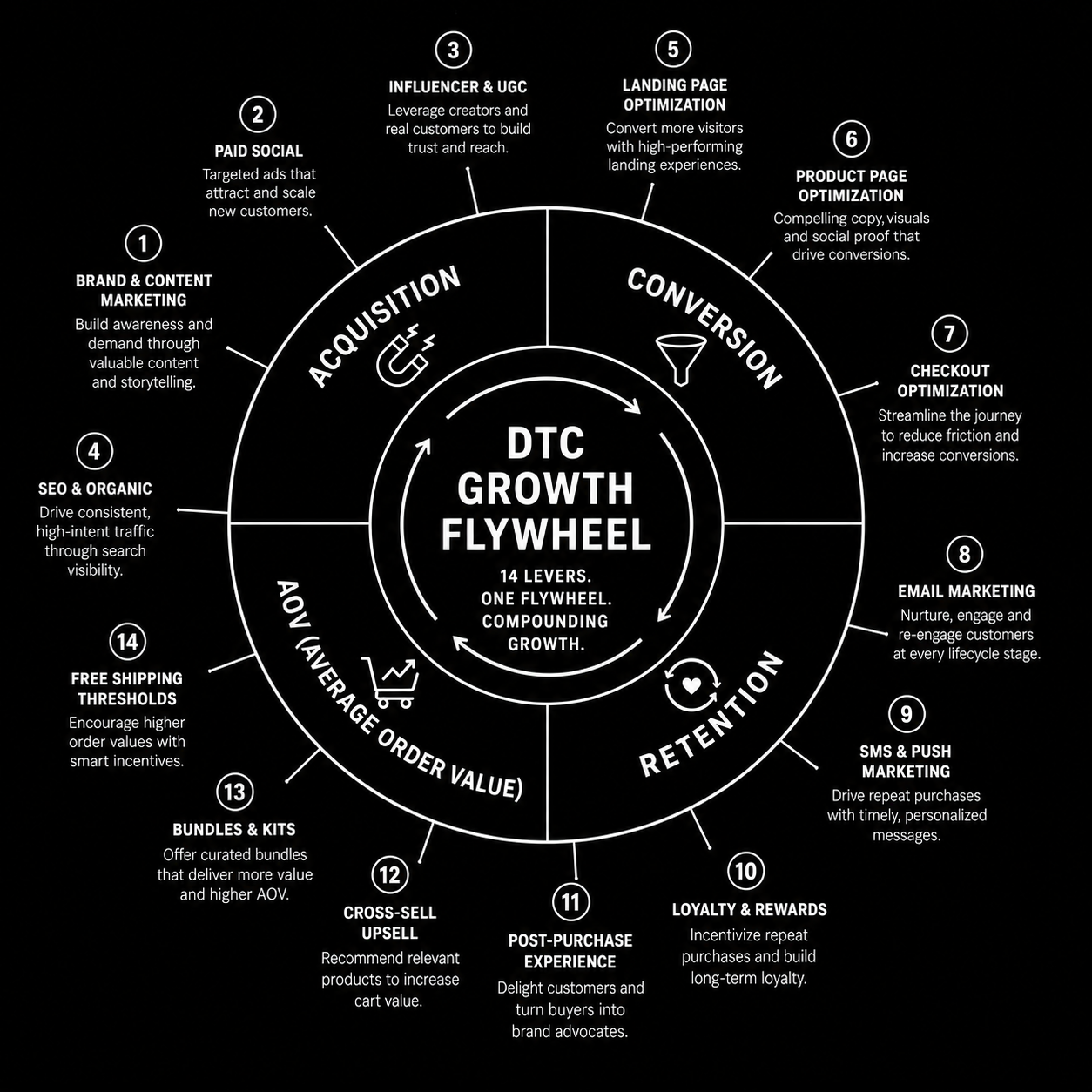
DTC Ecommerce Growth Playbook in 2026 is won by execution quality, not platform hype. Teams that perform consistently align strategy, implementation, and measurement into one operating system. This guide gives the practical framework, internal link map, and optimization cadence to do that.DTC growth in 2026 isn't a single channel — it's 14 levers compounding. Here's the playbook that works. If you want implementation help, work with our Shopify developers. For connected strategy, also review Shopify Plus Development Guide and Shopify Conversion Rate Optimization.

What DTC Ecommerce Growth Playbook Means in Practice

DTC ecommerce growth is a compounding system across acquisition, conversion, retention, and AOV. The strongest brands avoid single-channel dependence and run an integrated growth flywheel.

Why dtc ecommerce growth Matters in 2026

1. Paid channel volatility makes one-channel strategies fragile.2. Retention quality now drives profitability more than traffic volume.3. Winning teams iterate quickly across offers, creative, and lifecycle mechanics.

Step-by-Step Playbook

1. Audit growth mix

Quantify channel contribution and margin impact.

2. Pick highest-leverage constraint

Fix one bottleneck at a time for compounding gains.

3. Improve merchandising strategy

Align bundles and offers to margin-aware demand signals.

4. Expand retention automations

Improve post-purchase, replenishment, and win-back flows.

5. Review flywheel monthly

Track how changes in one lever affect the whole system.Mid-article CTA -> Need support applying this to your stack? DTC growth audit and get a scoped roadmap with timeline, owners, and KPI targets.

Tools, References, and Benchmarks

  • 14-lever growth map
  • Channel contribution scorecard
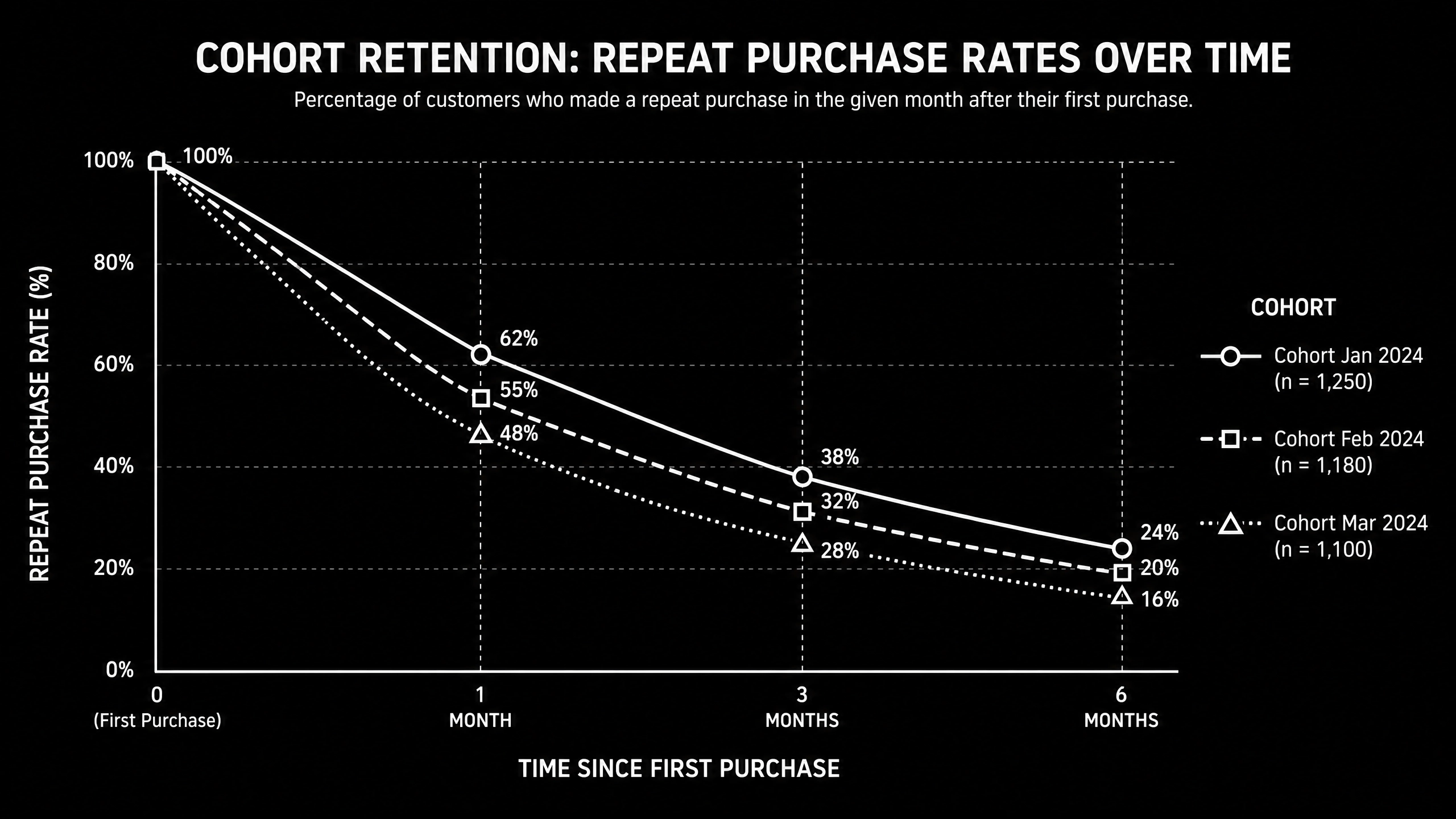
  • Cohort retention tracker
  • Semantic keyword targets to distribute naturally: dtc growth playbook, direct to consumer growth, scaling dtc brand

Use these references during planning and QA: Shopify enterprise resources, Klaviyo resources, and web.dev ecommerce guidance.

Common Mistakes That Kill Performance

  • Acquisition-only focus
  • Ignoring contribution margin
  • No cross-channel operating rhythm

FAQ - DTC Ecommerce Growth Playbook

How long does a dtc ecommerce growth project usually take?

Most teams can ship an initial version in 4 to 8 weeks, then improve outcomes over one quarter with a weekly optimization cadence.

Is dtc ecommerce growth relevant for UK and US teams?

Yes. The core framework is consistent across both markets. Differences are usually compliance details, buying behavior, and GBP/USD planning.

What should we measure first for dtc ecommerce growth?

Track one leading metric, one conversion metric, and one revenue metric so execution stays tied to business impact.

Should we run this in-house or with a specialist partner?

If your team has deep expertise and bandwidth, in-house can work. If speed and risk control matter, working with a specialist partner is usually faster.

What is the most common failure mode?

Teams skip governance after launch. Data quality drifts, process quality declines, and performance plateaus. A simple weekly operating rhythm prevents this.

Conclusion

DTC Ecommerce Growth Playbook performs best when execution decisions are tied to measurable outcomes from day one. Use this playbook to prioritize what matters, reduce risk, and create a repeatable optimization rhythm.Want a specialist team to accelerate delivery? Talk to our Shopify developers or book a consultation and we will map a practical rollout plan.Download the DTC Growth Lever Map to implement this framework with templates and checklists.

UI/UX

SaaS Onboarding Flow Design: The 2026 Activation Playbook

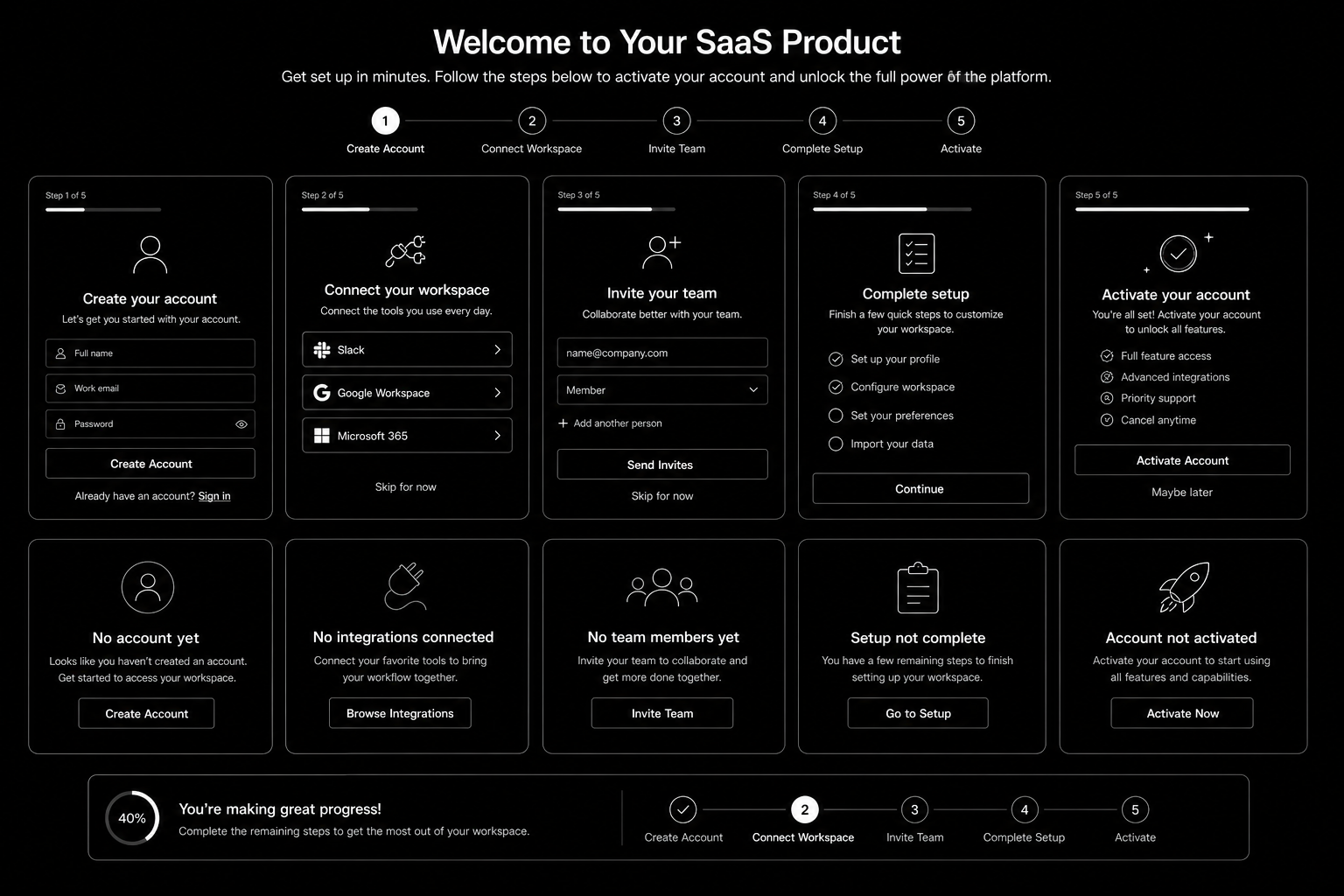
SaaS Onboarding Flow Design in 2026 is won by execution quality, not platform hype. Teams that perform consistently align strategy, implementation, and measurement into one operating system. This guide gives the practical framework, internal link map, and optimization cadence to do that.Onboarding decides retention. Here's the flow design that takes SaaS trial-to-paid from 12 to 22 percent. If you want implementation help, work with product design team. For connected strategy, also review Saas UI UX Design Principles and Saas Website Growth Strategy.

What SaaS Onboarding Flow Design Means in Practice

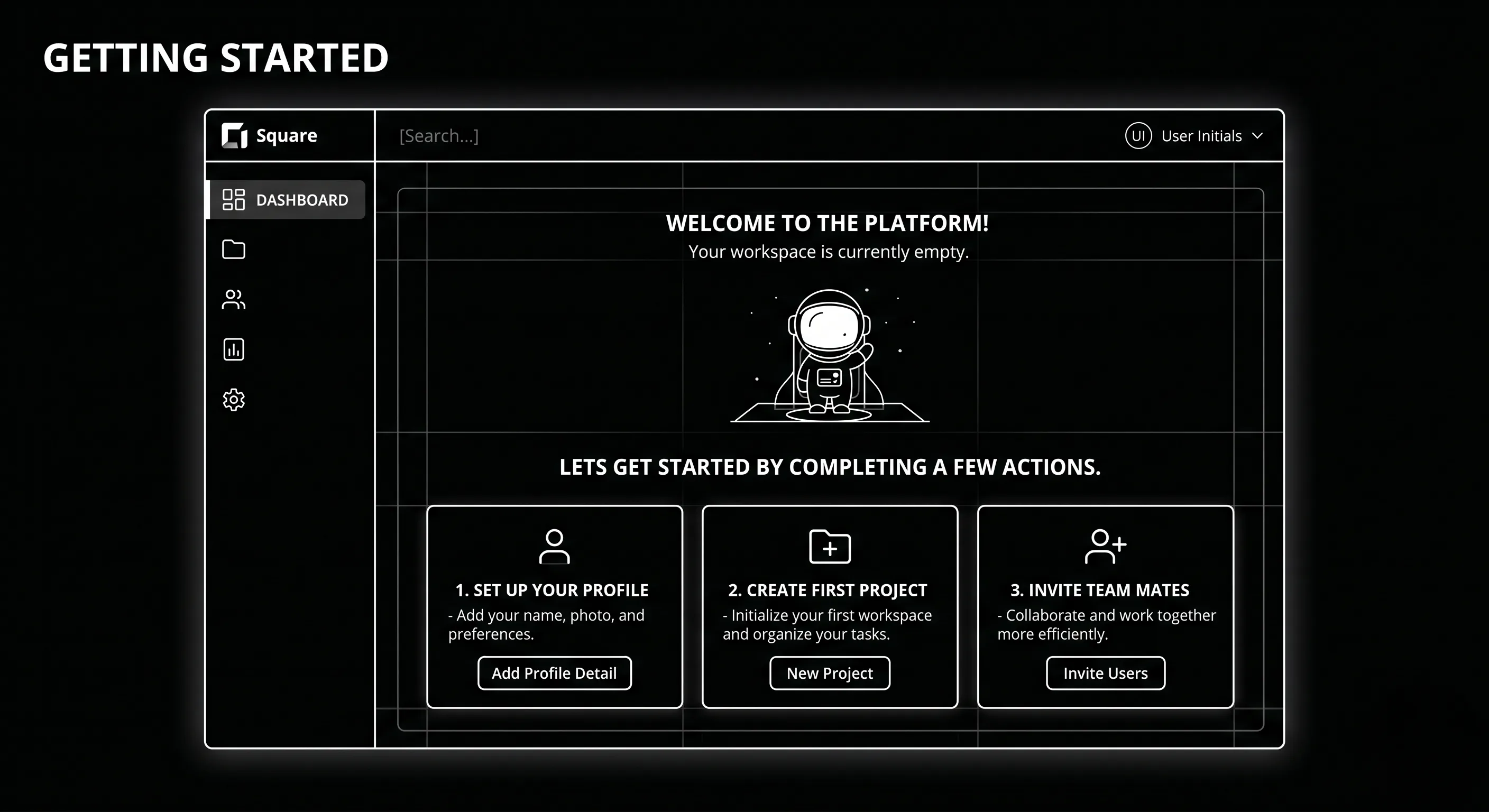
SaaS onboarding flow design drives activation and retention by guiding users to first value quickly. The strongest flows use milestone logic, contextual guidance, and recovery paths for stalled users.

Why saas onboarding flow Matters in 2026

1. Activation efficiency now strongly affects CAC payback.2. Users reject long generic onboarding tours.3. Milestone completion predicts retention better than vanity engagement metrics.

Step-by-Step Playbook

1. Define activation milestone

Set one clear event that predicts long-term value.

2. Map first-session friction

Identify where users stall before activation.

3. Design progressive guidance

Trigger contextual support based on user state.

4. Create recovery paths

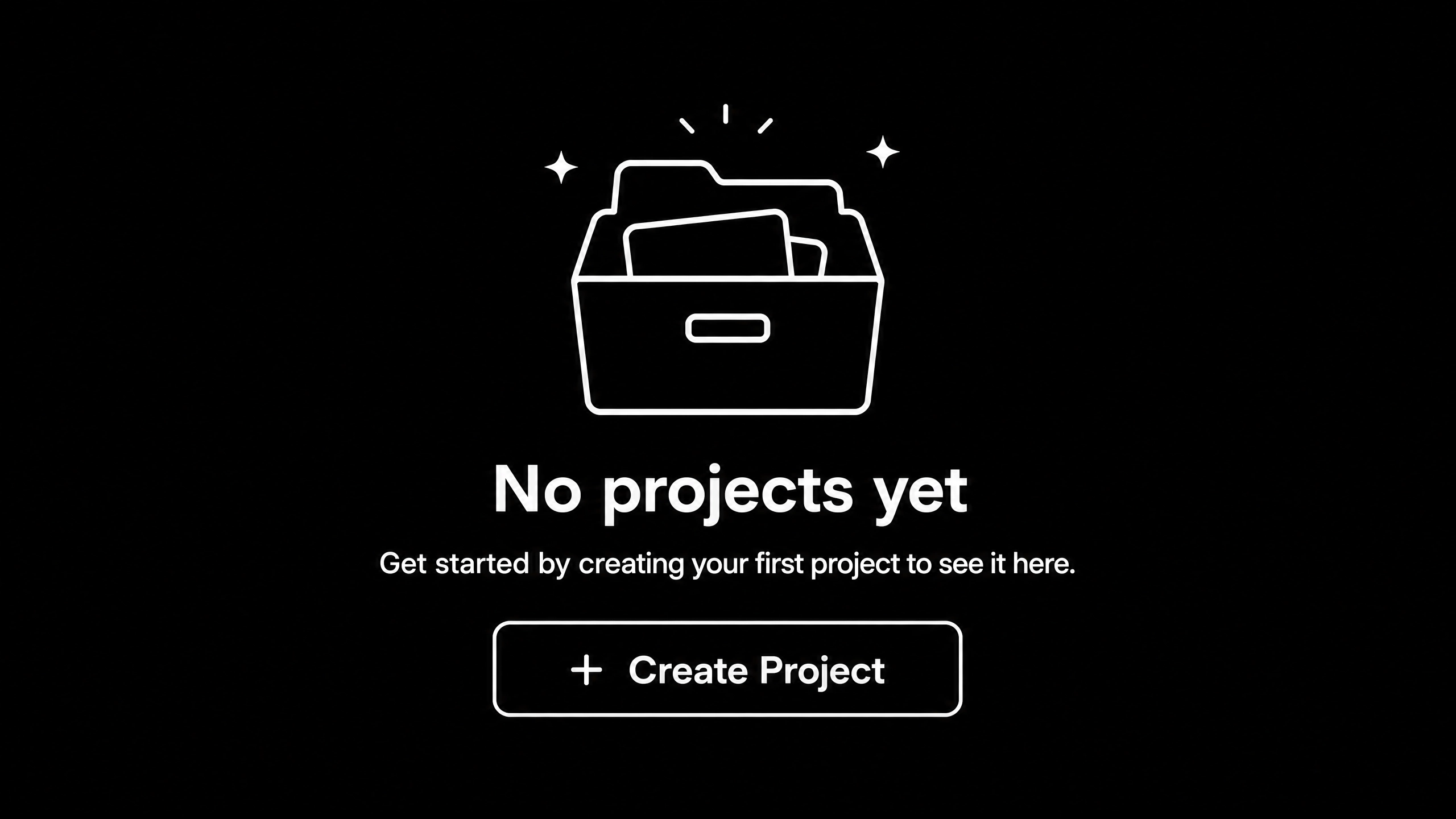
Use empty states and reactivation nudges for stuck users.

5. Track cohorts weekly

Monitor milestone completion and improve weakest steps.Mid-article CTA -> Need support applying this to your stack? Onboarding UX audit and get a scoped roadmap with timeline, owners, and KPI targets.

Tools, References, and Benchmarks

  • Activation map
  • Onboarding state matrix
  • Cohort progression dashboard
  • Semantic keyword targets to distribute naturally: saas onboarding ux, saas activation flow, product onboarding design

Use these references during planning and QA: Nielsen Norman Group UX articles, Material design guidance, and web.dev mobile UX guidance.

Common Mistakes That Kill Performance

  • No clear activation definition
  • Overloaded first session
  • No recovery path for stalled users

FAQ - SaaS Onboarding Flow Design

How long does a saas onboarding flow project usually take?

Most teams can ship an initial version in 4 to 8 weeks, then improve outcomes over one quarter with a weekly optimization cadence.

Is saas onboarding flow relevant for UK and US teams?

Yes. The core framework is consistent across both markets. Differences are usually compliance details, buying behavior, and GBP/USD planning.

What should we measure first for saas onboarding flow?

Track one leading metric, one conversion metric, and one revenue metric so execution stays tied to business impact.

Should we run this in-house or with a specialist partner?

If your team has deep expertise and bandwidth, in-house can work. If speed and risk control matter, working with a specialist partner is usually faster.

What is the most common failure mode?

Teams skip governance after launch. Data quality drifts, process quality declines, and performance plateaus. A simple weekly operating rhythm prevents this.

Conclusion

SaaS Onboarding Flow Design performs best when execution decisions are tied to measurable outcomes from day one. Use this playbook to prioritize what matters, reduce risk, and create a repeatable optimization rhythm.Want a specialist team to accelerate delivery? Talk to product design team or book a consultation and we will map a practical rollout plan.Download the SaaS Onboarding Activation Map to implement this framework with templates and checklists.