Tag Archives: hiring

AI Automation Agency: How to Choose the Right Partner in 2026

AI automation agencies exploded from zero to 500+ in 18 months. That’s great for choice. It’s terrible for vetting. Most teams claiming “AI automation expertise” in 2026 learned Zapier + ChatGPT three months ago.

This guide covers how to distinguish production-capable AI automation agencies from trend riders. Red flags. Vetting questions. Engagement structures that protect you. How to evaluate ROI claims.

Why AI Automation Agencies Are Hard to Vet

The field is too new to have clear status signals. No Platinum tiers like HubSpot. No long-term case studies with multi-year ROI. Agencies can claim expertise with minimal proof.

Worse: most AI automation “agencies” are freelancers with a Twitter presence. Nothing wrong with that individually, but they lack the bench, accountability, and scalability a serious org needs.

Red Flags That Expose Weak AI Automation Partners

  • Portfolio is all pitch decks and prompts, no deployed workflows. If they’re not sharing actual production workflows, they haven’t built any.
  • “We use ChatGPT for everything” mentality. Frontend LLM clients are not production-grade. n8n, Zapier, or hosted solutions are the baseline for reliability.
  • No data governance or security discussion. If they don’t bring up compliance, DPA coverage, and data isolation, they don’t understand production requirements.
  • Quoting ROI without baseline data. “Save 10 hours per week” without knowing current process = fantasy. ROI claims should be grounded in audit data.
  • No mention of error handling or observability. “Build the workflow then monitor” is insufficient. Production workflows need logging, alerts, and fallback paths.
  • “We can automate anything” mentality. False. Some workflows are not automation-ready. Good agencies know the boundary and explain it.
  • One-person operation claiming 24/7 support. They’re not. Scaling risk is high.

Questions That Separate Real From Pretend

“Walk us through a production workflow you built that had to handle errors, logging, and scale. How did you architect it?” — Production discipline surfaces here. Weak agencies get vague. Strong ones have real details.

“Tell us about a workflow that failed in production. What went wrong? How did you debug it?” — Honest answer = experience. “Never happened” = red flag.

“What’s your security and data handling approach for automations that touch PII or customer data?” — This question filters heavily. Most agencies won’t have a clear answer. Those that do are veteran-level.

“Show us an automation you built that demonstrably ROI’d. What was the baseline? What was the outcome? How long to payback?” — Real numbers, not projections.

“What tools do you use? n8n? Zapier? Custom code? Why?” — Prescriptive answer (they chose the tool for a reason) is better than flexible answer (they use whatever).

“What happens to the workflow if your company goes under or we need to switch vendors?” — Vendor lock-in concerns separate careful buyers from naive ones. Good agencies have portability plans.

Engagement Structures and Pricing Reality

Typical AI automation pricing:

  • Audit (4–8 hours): £500–2,000
  • Single workflow build (human-in-the-loop): £1,500–5,000
  • Workflow portfolio (3–5 workflows): £8,000–20,000
  • Ongoing retainer: £2,000–8,000/month depending on complexity and velocity

Red flags on pricing:

  • Anything below £500 for an audit (they’re not doing real work).
  • Fixed-price with no discovery phase (scope hasn’t been locked).
  • Retainers below £1,500/month (minimal support).
  • “Success fee” models where the agency takes a cut of savings (creates perverse incentives).
How to Evaluate Proposals

Strong proposals include:

  • Detailed audit findings with process mapping and timeline estimates.
  • Prioritised workflow list by ROI, complexity, and dependency.
  • Tool recommendation with justification (n8n vs Zapier vs Make, etc.).
  • Security and compliance approach explicitly stated.
  • Phased delivery plan (discovery, build 1–3, deployment, monitoring).
  • Measurement and success criteria defined upfront.
  • Retainer scope and support SLA.

Weak proposals:

  • Generic “we’ll automate your workflows” without scope definition.
  • No tool selection rationale.
  • No security/compliance mention.
  • Vague timeline (“4–8 weeks for full automation”).
  • ROI projections without baseline data.

Evaluating AI automation agencies and need a second opinion? Our AI automation specialists can review proposals and audit your automation readiness. Book an audit.

Common Mistakes When Hiring AI Automation Agencies

1. Hiring on hype, not discipline. “We use ChatGPT” is fashionable. “We’ve built 50+ production workflows with n8n and Claude” is real.

2. Not starting with audit. Skipping discovery and jumping to “build a workflow” wastes money. Start with audit every time.

3. Over-relying on ROI projections. Agencies forecast “save 30 hours per week.” Reality is often 40% of projection. Build conservatively.

4. Hiring generalist agencies that “also do automation.” Specialists beat generalists. Choose an agency that focuses on automation and tools, not one that added it to their service menu.

5. No error handling or observability plan. Automations without logging are disasters waiting to happen. Require monitoring infrastructure as part of the build.

6. Treating automation as a one-time project. Production workflows need ongoing tuning and support. Budget retainers from day one.

If you’re evaluating whether AI automation is right for your business first, see AI automation for business to pressure-test the fit before hiring partners.

FAQ

What’s a fair price for AI automation work?

Audit: £500–2k. Per-workflow: £1.5k–5k depending on complexity. Retainers: £2k–8k/month. Anything significantly cheaper or more expensive should have justification.

Should I hire a specialist AI automation agency or a general development shop?

Specialist. AI automation has specific patterns, tools, and security requirements that generalists don’t understand. Specialists ship faster and with fewer mistakes.

How do I know if ROI projections are realistic?

Ground them in baseline data. “We currently spend 40 hours/month on this task” is a foundation. Agencies should project conservatively (50–70% of theoretical max). If they’re projecting 90%+ savings, they’re not being realistic.

What if the agency builds something that breaks in production?

Contract should specify: SLA for bug fixes (e.g. critical bugs fixed within 24 hours), liability for data loss or errors, and ongoing support. Require these upfront.

Can I build AI automations in-house instead of hiring an agency?

Yes if you have engineering depth and time. For most mid-market teams, agency is faster. DIY usually takes 2–3x longer once you account for learning curve and validation.

Conclusion: AI Automation Partners Should Be Accountable for Outcomes

The best AI automation agencies in 2026 focus on measurable outcomes (time saved, errors reduced, revenue impacted) — not on technology hype or impressive demos.

Use this vetting framework. Ask the hard questions. Check references with past clients who built similar workflows. You’ll find a partner who actually ships production-grade work.

Our AI automation team specialises in operationally complex workflows across mid-market and SaaS companies. Book an automation audit if you want to explore readiness and ROI potential first.


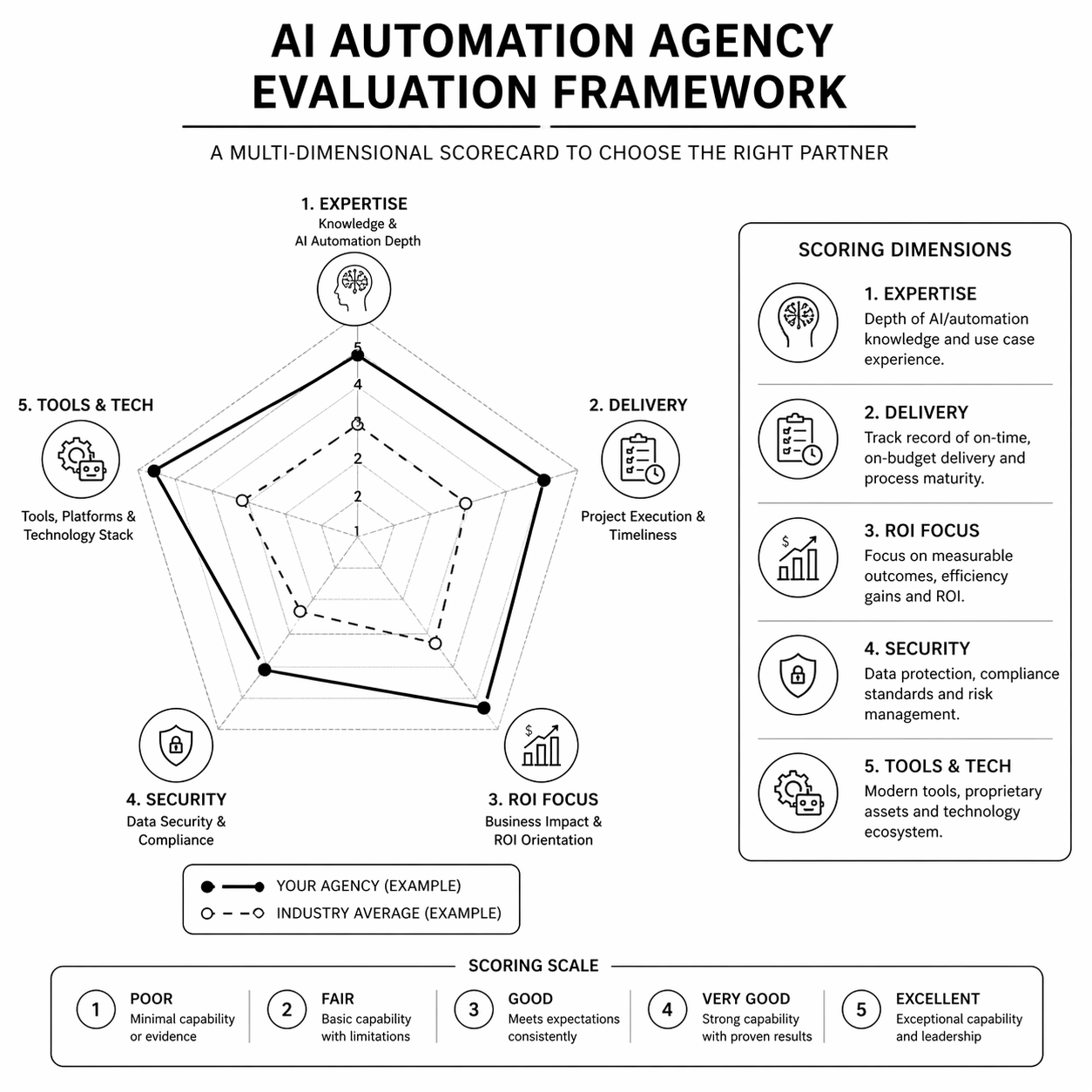
The AI Agency Evaluation Framework
— a detailed scoring rubric to compare automation agencies on expertise, delivery model, security approach, and pricing.
That’s enough scrolling for now – chat to a AI Expert today!

Contact Us

HubSpot Development Agency: How to Choose the Right Partner

Almost every HubSpot implementation fails because the team chose the wrong partner. Not because HubSpot is complex, but because 80% of certified HubSpot agencies treat certification as a marketing badge, not a practice discipline.

This guide covers HubSpot tier levels, red flags that expose weak partners, questions that separate tier-one implementers from tier-four problem shops, and how to evaluate proposals objectively. Written for RevOps heads, marketing leaders, and founders planning a HubSpot build or migration.

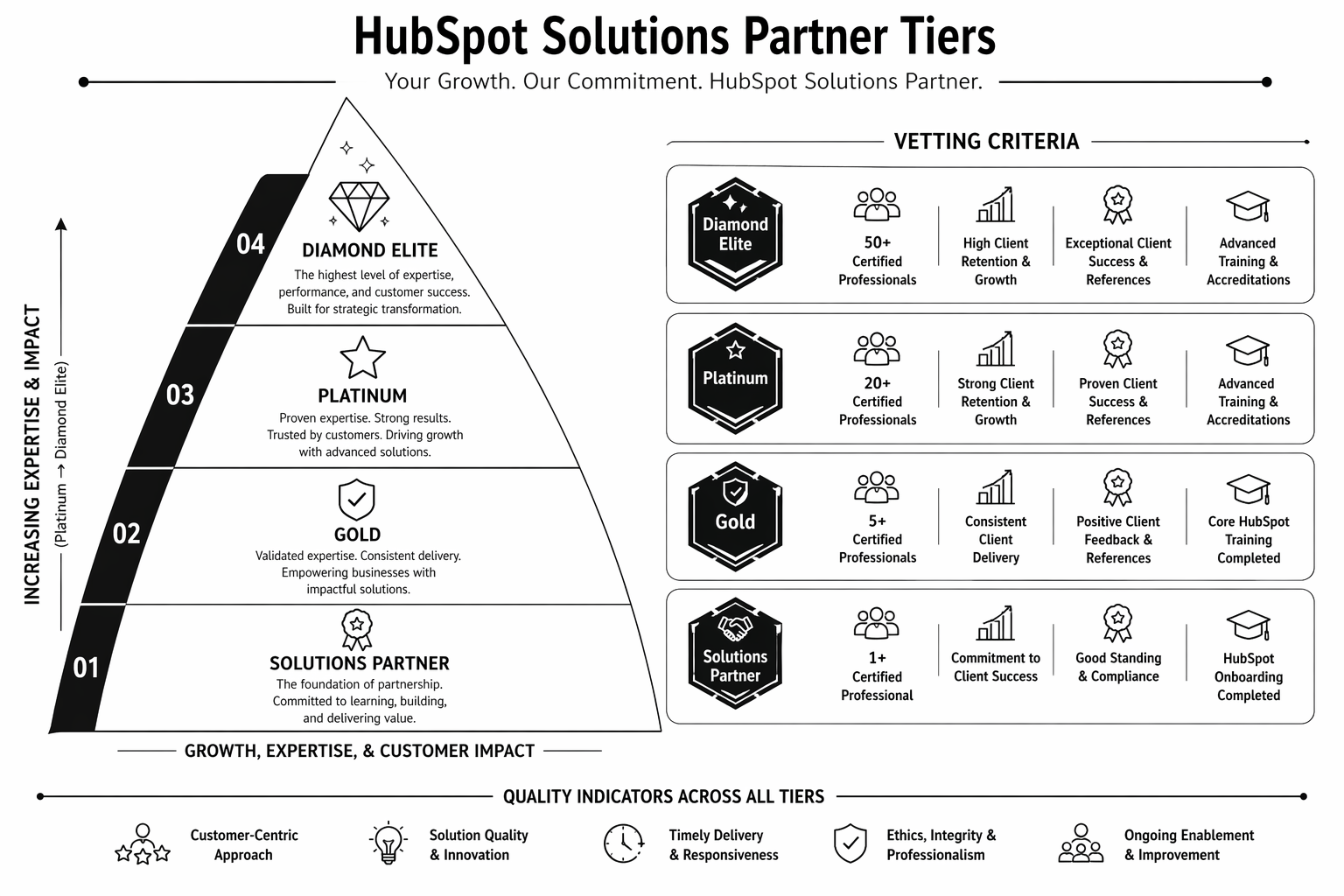
HubSpot Solutions Partner Tiers Explained

HubSpot’s official partner tier system:

  • Gold — Entry-level certification. Usually 1–5 people. Good for very basic implementations, single-module help.
  • Platinum — Mid-market focused. Typically 5–20 people. Strong for website builds, CMS work, most marketing automations.
  • Diamond — Enterprise focus. 20+ people. Strong across entire HubSpot stack. Premium pricing but capability justifies it.
  • Elite — Rare. Less than 20 worldwide. Top-tier implementation, training, custom development. £200k+ minimum projects.

Most teams should target Platinum partners for website/CMS work, Diamond if you have complex RevOps requirements.

Red Flags That Expose Weak Partners

  • Gold tier pitching for £80k+ projects. They lack the bench and depth. They’ll hire junior people or outsource, then you’ll carry the quality risk.
  • Portfolio showing only template setups. Not real builds. Agencies with depth have case studies, not screenshots.
  • Website mentions HubSpot once and nothing else. If HubSpot is not a major pillar of their practice, it’s not their focus.
  • Salesforce or Pipedrive expertise listed equally with HubSpot. CRM platforms are different. A generalist is not specialized.
  • Quoting a fixed timeline with no discovery phase. “12 weeks for your HubSpot migration” assumes they understand your scope. They don’t. Red flag.
  • No retainer support mentioned. HubSpot builds require ongoing care. Agencies that don’t offer retainers are implying “set and forget” is possible. It’s not.
  • “We build on Zapier/integromat instead of native workflows.” Third-party automation layers add cost, fragility, and vendor lock-in. Native workflows are the right pattern.

Questions That Expose Misalignment

“Walk us through your most complex HubSpot CMS Hub build. What was the CMS structure? How did you architect HubDB?” — Weak partners give generic answers. Strong partners have detailed opinions.

“Tell us about a HubSpot project that went wrong. What happened and how did you fix it?” — Experience surfaces here. “Everything goes smoothly” is a lie.

“What’s your approach to property mapping and data hygiene in HubSpot?” — Properties are the foundation. Sloppy mapping breaks everything downstream. Strong partners have a documented approach.

“Show us your retainer model. What’s included? What’s not? How do you prioritise requests?” — Good agencies have clarity. Bad ones make it up as they go.

“What’s your process for running smart content tests or multivariate experiments on HubSpot sites?” — HubSpot CMS has native A/B testing. If the agency doesn’t mention it or doesn’t use it, they’re treating CMS Hub like WordPress.

“Have you migrated from WordPress/Webflow to HubSpot? What was the URL strategy? How did you preserve SEO?” — Migration experience is a differentiator.

Pricing and Engagement Structures

Typical HubSpot website builds:

  • Small site (5–10 pages, basic CMS): £15k–30k
  • Growth-stage site (15–30 pages, HubDB, smart content): £40k–80k
  • Enterprise (30+ pages, complex RevOps, integrations): £80k–200k+

Retainers after launch: £1.5k–5k/month depending on scope, team size, and update velocity.

Red flags:

  • Project quotes without discovery phase built in.
  • Retainers below £1k/month (indicates minimal support).
  • Fixed-price with no change request process.
  • “Time-and-materials with no cap” (budget risk on your side).

Vetting Process: How to Actually Evaluate Partners

Step 1: Portfolio review. 5–10 projects minimum. Case studies with metrics, not screenshots. References from similar company stage/size.

Step 2: Reference calls. Talk to 2–3 past clients. Ask: Did they deliver on time? Did the implementation improve your metrics? Would you hire them again?

Step 3: RFP with clear scope. Send a detailed brief: current state, desired state, team composition, timeline expectations. See who asks clarifying questions vs. who submits a quote immediately.

Step 4: Discovery call quality. Best agencies do a deep discovery. Watch for:

  • Do they ask about your RevOps stack? Your CRM properties?
  • Do they understand your buyer journey?
  • Do they challenge your assumptions or just confirm them?

Step 5: Proposal evaluation. Look for:

  • Detailed scope and deliverables.
  • Phase breakdown with milestones.
  • Team composition (who’s building? who’s managing?).
  • Post-launch retainer included or separate?
  • Clear SLAs for response time and support.

Evaluating HubSpot agencies and need a second opinion? Our HubSpot specialists can review proposals and advise on fit. Book an agency evaluation call.

After You’ve Hired: Protect Your Project

  • Weekly syncs, not monthly. Catches issues early.
  • Staged payments. 33% discovery/planning, 33% build, 33% launch + training.
  • Design approval gate. You approve IA and designs before build starts. Changes after this point = scope creep.
  • Retainer scope in writing. How many hours per month? What’s included? What’s not?
  • Knowledge transfer. Before launch, the team should know how to run basic operations in HubSpot. Training is non-negotiable.

If you’re comparing platforms before choosing HubSpot, see HubSpot CMS vs WordPress to confirm fit first.

FAQ

Is a Platinum-tier partner enough for my HubSpot website?

For most B2B SaaS companies, yes. Diamond is premium if you have complex RevOps or enterprise needs, but Platinum delivers strong website and CMS builds.

What questions should I ask a HubSpot agency?

See the “Questions That Expose Misalignment” section above. Focus on specifics and past projects, not theoretical capability.

How do I know if a HubSpot agency is overcharging?

Compare proposals from 2–3 similar-tier agencies. If one quote is 2x+ higher with the same scope, ask why. Could be more experienced, could be padding.

Should I hire an agency or do HubSpot in-house?

If you have strong in-house ops and CRM expertise, in-house works. For most teams, agency is faster and reduces risk. Hybrid works too: agency for build, in-house for ongoing ops.

What’s the difference between a HubSpot agency and a general web agency?

HubSpot agencies specialise in CRM-native architectures, property mapping, and lifecycle design. General web agencies treat HubSpot like a CMS. Different discipline entirely.

Conclusion: The Right Partner Pays for Itself

HubSpot implementations that fail usually fail because of partner choice, not platform choice. The right Platinum or Diamond partner reduces risk dramatically and often delivers ROI in the first quarter.

Spend extra time on vetting. The partner you choose determines your project’s outcome as much as the platform does.

Need help evaluating agencies or choosing a HubSpot partner? Our team can advise on fit. Book a consultation.


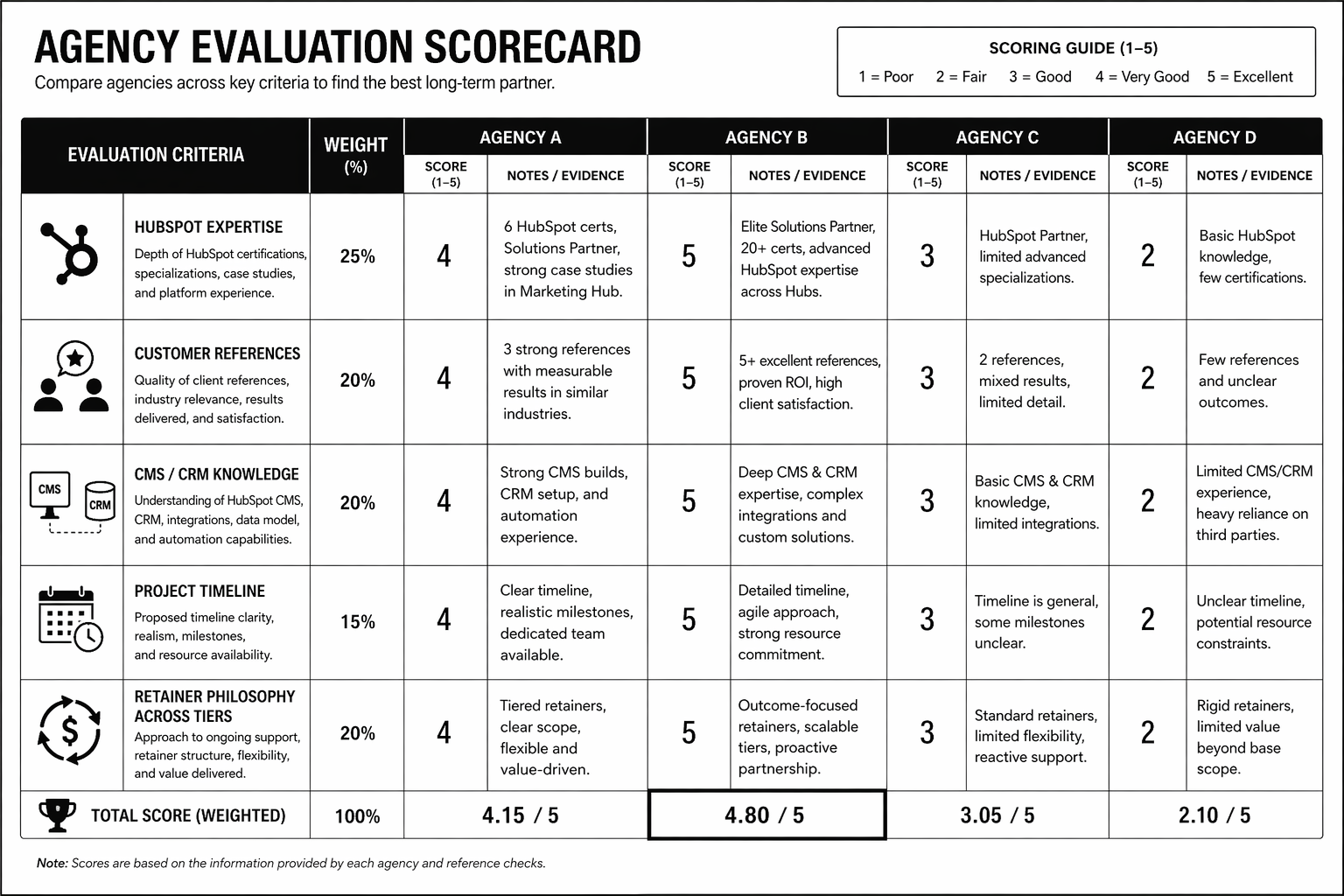
The HubSpot Agency Scorecard
— a detailed rubric to evaluate proposals and rank partner fit by Tier, capability, and cultural alignment.

That’s enough scrolling for now – chat to a Hubspot Expert today!

Contact Us

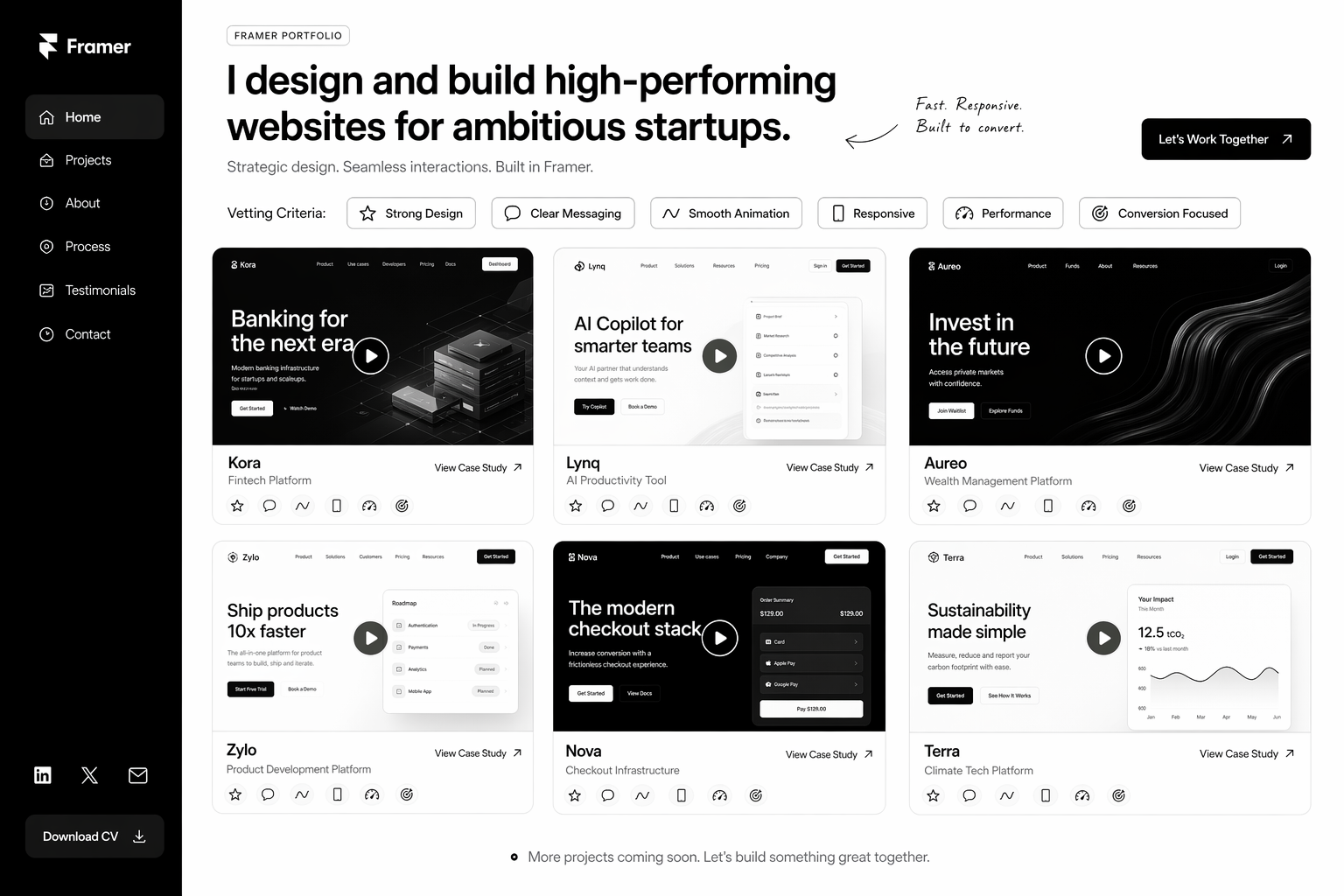
How to Hire a Framer Expert for Your Startup Website

The Framer talent pool is smaller and less matured than Webflow. That means finding the right Framer expert is harder, but the upside is that fewer startups have access to this capability — which gives you an edge if you hire well.

This guide covers where to find Framer experts, what to look for in portfolios, questions that separate specialists from generalists, and how to structure an engagement that actually delivers your site in two weeks instead of taking four months.

Where Framer Talent Lives

  • Twitter/X and Framer community. Framer specialists are vocal about their work. Search “Framer agency” or “Framer expert” on Twitter and you’ll find portfolios.
  • Framer’s official partner directory. Officially listed partners are vetted by Framer. Not all talented people are listed, but it’s a good starting point.
  • Design-first platforms (Dribbble, Behance). Talent is there but Framer may not be called out specifically in profiles.
  • Framer forums and Slack communities. Active specialists hang here. Ask for recommendations.
  • Referrals from your network. If you know startups that shipped beautiful sites recently, ask who built them.

Avoid: “We do Framer” generalists who also do Webflow, WordPress, and custom React. Specialists who chose Framer and ship consistently are the ones you want.

Portfolio Red Flags

  • Portfolio shows only design work, no deployed sites. Designing in Framer is different from shipping in Framer. They need both.
  • All projects use Framer templates. No custom builds. Pass.
  • No animation examples. Framer’s whole value prop is motion. If the portfolio has none, they don’t understand the tool.
  • Case studies don’t include SEO or performance metrics. “Beautiful site” is not an outcome. “Shipped in two weeks and ranked for primary keyword” is.
  • Portfolio projects all look similar. Same template applied to different clients. Not a specialist, a template operator.
  • No information about CMS strategy. Assuming a Framer build will automatically handle blog scale shows inexperience.

Questions That Separate Specialists From Generalists

“Walk us through a Framer project where CMS and Collections mattered. How did you architect it? What would you do differently?” — Generalists get vague. Specialists have opinions.

“Have you shipped a Framer site with 100+ blog posts? How did performance feel in the editor?” — This question tests real experience. If they haven’t done this, they don’t know the limits.

“Tell us about a migration from Webflow or WordPress to Framer. What went smoothly? What was harder than expected?” — Migration experience = seasoning.

“What’s your approach to SEO in Framer? How do you handle technical SEO?” — Wrong answer: “Framer’s SEO is great out of the box.” Right answer: “Here’s the technical foundation I build, and here’s what needs discipline beyond that.”

“Show us a Framer site you built. Walk us through the design system and component strategy.” — Good builders have systems. Template operators don’t.

Pricing Reality for Framer Experts

  • Freelance specialists: £40–80/hour (rare, often fully booked)
  • Boutique Framer agencies (1–3 people): £60–120/hour (sweet spot for startups)
  • Mid-size with Framer capability: £100–150/hour (less Framer focus, may be slower)
  • Fixed-price Framer sprint: £3k–8k for 2–3 week startup site (most common model)

Red flag pricing: Framer experts quoting less than £30/hour or fixed-price below £2.5k for any real site are either beginners or rushing. Both are risks.

Testing Before You Commit

Short paid project: A 3–5 page landing page (not full site) for 1–2 weeks before the main build. Payment: £500–1,500.

What to evaluate:

  • Did they deliver on schedule?
  • Is the code clean? Are components reusable?
  • Did they ask good questions upfront?
  • Is the site performant? Core Web Vitals green?
  • Are they responsive and easy to work with?

If the test project is messy or late, the full project will be worse.

Need a second opinion on a Framer expert or portfolio? Our Framer specialists can review candidates and recommend. Book a consultation.

Structuring the Engagement

Fixed-price for defined scope: “£5k for home + pricing + solutions + blog index page. Designs locked. Changes beyond scope = hourly.” Clear. Protects you. Expert knows what they’re building.

Weekly reviews: No surprises at launch. Review designs, CMS structure, animation approach weekly.

Milestones: 50% payment at design approval. 50% at launch.

Post-launch support: Include 4 weeks of support (bug fixes, minor changes). After that, hourly if needed.

Ownership: You own all designs, code, and assets. Framer projects are portable.

Common Mistakes When Hiring Framer Experts

1. Hiring a designer who learned Framer last month. “We can do Framer” ≠ Framer specialist. Look for depth, not breadth.

2. Not testing motion upfront. You discover post-launch that animations feel stiff or heavy. Test motion direction in week 1.

3. Underestimating scope. “Two weeks for a fully custom site” sounds good until it ships at week 4. Get timeline assumptions upfront.

4. No CMS strategy pre-build. Discover during QA that the blog structure doesn’t scale. Too late. Lock this first.

5. Skipping post-launch retainer. Site ships, everything breaks in production, expert is unavailable. Include support buffer.

If you’re comparing Framer against Webflow and other platforms, see Framer vs Webflow to confirm you’ve chosen the right platform before hiring.

FAQ

What’s a fair rate for a Framer expert?

£50–100/hour for solid freelancers. £60–120/hour for boutique agencies. Less than £40/hour usually means junior or rush risk.

Should I hire a freelancer or agency?

Freelancers: faster, cheaper, direct. Agencies: backup coverage, scalability, more stable. For mission-critical, agencies are safer. For speed and budget, good freelancers win.

How do I know if a Framer expert is really an expert?

See the questions section above. Ask specifics. Request references. Run a short test project. Vague answers = not expert.

What if the Framer expert disappears after launch?

Structure contract with post-launch SLA (e.g. “available for bugs and critical issues for 4 weeks”). Get Framer project access so you can hire someone else if needed.

Is Framer worth hiring a specialist for?

If your startup needs to ship a beautiful, fast site in 2–4 weeks, yes. Specialist Framer builders compress timelines vs generalists.

Conclusion: Framer Experts Are Worth the Hunt

The Framer specialist pool is small but seasoned. Finding the right one takes effort but pays off in launch speed and quality. Use this vetting framework and you’ll find someone who actually knows the tool instead of someone learning on your dime.

Need help identifying Framer talent or evaluating candidates? Our Framer team can advise. Book a consultation.


The Framer Expert Vetting Guide
— a detailed scorecard to evaluate portfolios, test projects, and compare proposals side-by-side.

That’s enough scrolling for now – chat to a Framer Expert today!

Contact Us

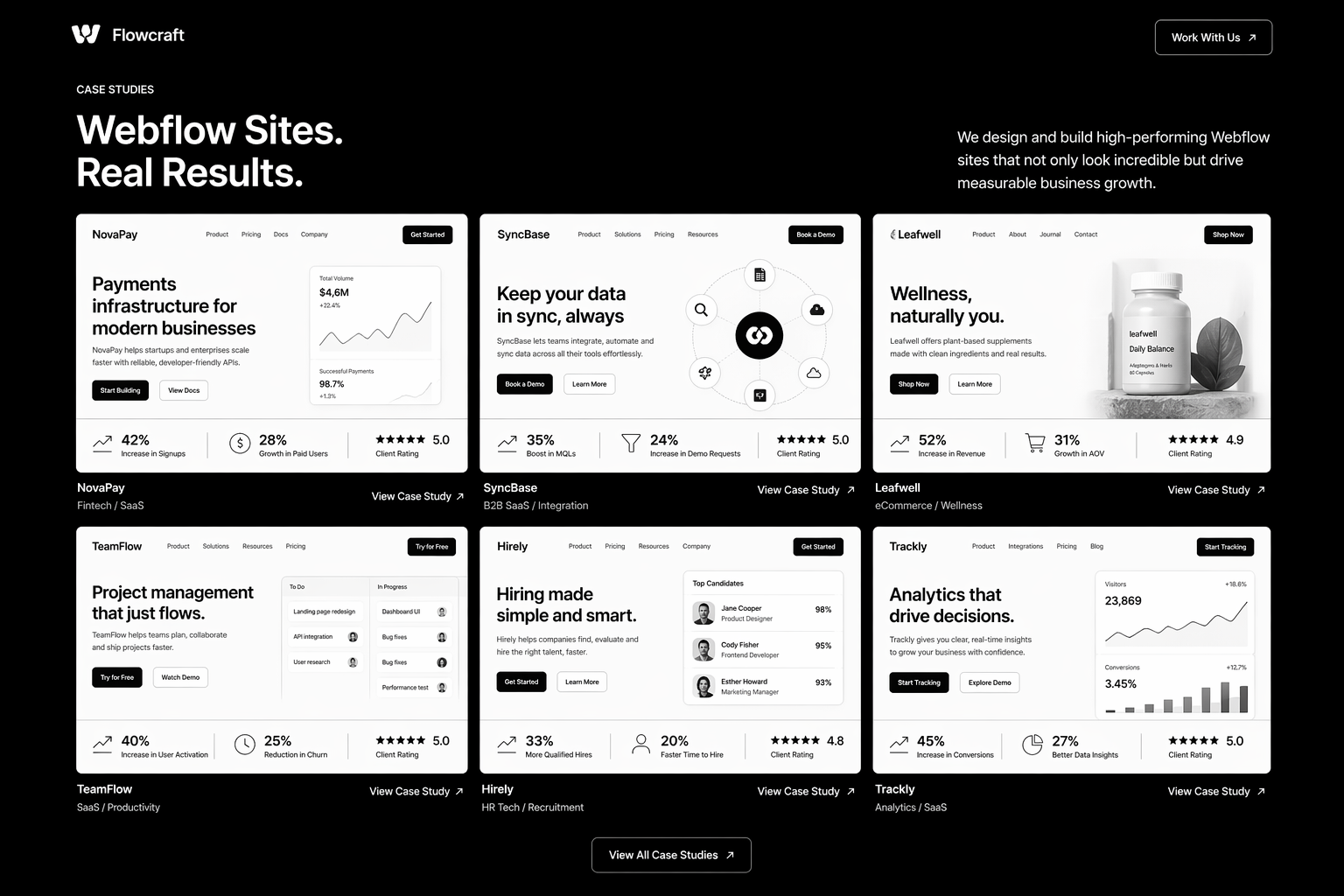
Best Webflow Agencies for SaaS Startups: What to Look For

Most SaaS founders evaluate Webflow agencies on portfolio aesthetics alone. “That site looks beautiful, hire them.” Result: beautiful site, zero conversions, founder frustrated.

This guide covers what actually distinguishes tier-one SaaS Webflow agencies from tier-two or tier-three shops. Criteria that matter. Red flags. Questions to ask. Mistakes to avoid. Written for founders and marketing leaders choosing a Webflow partner.

The Mistake Founders Make

Founders evaluate Webflow agencies like they evaluate design portfolios. “Does it look premium? Yes. Hire.” The problem is that beautiful ≠ converting. A stunning site that doesn’t move your metrics is expensive visual debt, not an asset.

Good Webflow agencies for SaaS are builders who:

  • Understand SaaS buyer psychology (not consumer design trends).
  • Measure success by conversion and revenue metrics, not aesthetics.
  • Treat performance and SEO as first-class requirements, not afterthoughts.
  • Stay accountable for outcomes, not just deliverables.

Fewer agencies meet this bar than you’d expect.

What to Look for in a SaaS Webflow Agency

1. SaaS-specific case studies. Not just “we built a site.” Look for: “We built a SaaS marketing site that increased demo requests 40% in the first quarter.” Outcome-driven case studies are a differentiator.

2. CRM integration experience. SaaS sites need to connect to HubSpot, Segment, Intercom, and analytics tools cleanly. Agencies that mention integration strategy have thought this through.

3. CRO discipline. Site launches, then what? Good agencies include post-launch CRO roadmaps. Bad ones consider the project “done.”

4. SEO architecture thinking. Blog strategy, internal linking rules, content cluster mapping. If SEO is mentioned as “we’ll set up Yoast,” they’re not thinking architecturally.

5. Conversion optimization portfolio. Landing pages that convert. Demo request forms that close high. “Beautiful” sites that also move metrics. Portfolio should show both.

6. Performance obsession. Core Web Vitals are non-negotiable for SaaS sites. If the agency doesn’t proactively mention performance, they don’t prioritise it.

Red Flags That Expose Weak Agencies

  • Portfolio is 90% consumer brands or e-commerce. If they’ve never built SaaS sites, they don’t understand SaaS messaging.
  • Case studies don’t mention metrics or outcomes. They’re showing you beautiful work, not business results. Different thing.
  • “We do design and development” but no specialisation. Do they also do WordPress, Shopify, Framer? If everything is in scope, nothing is deep.
  • Website or case studies describe features, not outcomes. “Custom CMS” vs “CMS that lets your marketing team ship updates without engineering.” The second is better thinking.
  • No pricing guidance upfront. Evasiveness on cost signals custom pricing negotiation, which favours them, not you.
  • Quote is faster than a proper discovery phase. “I can quote you in a day” means they’re not researching, just templating.
  • No mention of post-launch support or retainers. Project ends at launch? That’s not a partnership.

Questions to Ask in Initial Calls

“Show us a SaaS site you built that increased qualified leads or demos. Walk us through the before/after metrics.” — Outcome focus separates specialists.

“What’s your approach to SaaS messaging and positioning? How do you handle value prop on the homepage?” — B2B buyers are different from consumers. Agencies should have a POV on this.

“Walk us through your CRO process post-launch. What experiments do you typically run? What’s the ROI?” — Post-launch thinking = partnership, not one-off project.

“Tell us about a Webflow site you built that had performance issues. How did you solve it?” — Real experience surfaces here.

“What integrations do you typically wire into SaaS sites, and what’s your philosophy on app selection?” — Good agencies have opinions. Bad ones wing it.

Portfolio Evaluation Framework

Score each agency’s portfolio on these criteria (1–5 scale):

  • 1. SaaS focus. Are the projects SaaS sites, or general web design?
  • 2. Visual quality. Do the sites look premium and on-brand?
  • 3. CMS/technical complexity. Blog? Filtering? Dynamic content? Or just static pages?
  • 4. Performance. Do the sites feel fast? Any signs of bloat or slow interactions?
  • 5. Conversion design. Are CTAs clear? Forms optimised? Trust signals visible?

Agencies with 4–5 ratings on all five dimensions are rare but worth the hunt.

Engagement Structures That Protect You

Discovery-first. Agencies that spend 2–3 weeks on discovery (strategy, audience research, competitive analysis) before design are building on research, not instinct.

Phased delivery. Strategy/design approval before build. Build phase approval before launch. Prevents big surprises.

Measurable success criteria. Before build starts: “By 90 days post-launch, we want demo requests at X and average time-on-site at Y.” Hold the agency to this.

Post-launch support. Include 4 weeks of changes and optimisations. After that, monthly retainer for ongoing CRO and updates (£1k–3k/month).

Staged payment. 25% upfront, 25% after discovery/design approval, 25% at build completion, 25% at launch. Aligns incentives.

Evaluating SaaS Webflow agencies and want a second opinion? Our Webflow team can review portfolios and proposals before you commit. Book a consultation.

FAQ

How much should a SaaS Webflow site cost?

Early-stage startup (5–10 pages): £8k–15k. Growth-stage (15–30 pages): £25k–60k. Enterprise (30+ pages, heavy integrations): £60k–150k+.

How do I know if a Webflow agency specialises in SaaS?

Case studies and references. Portfolio. Ask directly: “How many SaaS sites have you built? What were the outcomes?” Vague answers = not specialised.

Should I hire a boutique SaaS agency or a larger firm?

Boutiques (1–5 people): faster, cheaper, personalised. Larger firms (10+ people): more stable, better scaling support. For early-stage, boutiques often win on speed/cost. For scale-stage, larger firms offer more hands.

What’s the difference between a good Webflow agency and a great one?

Good builds what you ask for. Great builds what you need, then teaches you why it matters. Great agencies challenge assumptions. Good ones confirm them.

Can I hire a Webflow freelancer instead of an agency?

Yes, if you find a strong one. Risk: solo operator, no backup, limited scaling. Benefit: cheaper, faster. For mission-critical sites, agencies are safer.

Conclusion: Invest Time in Partner Selection

The quality of your SaaS website is determined as much by who builds it as by the platform itself. Spending an extra 2–3 weeks on agency vetting saves multiples in rework and delays.

Use this framework. Ask the right questions. Evaluate portfolios for outcomes, not just aesthetics. You’ll find a partner who builds sites that actually convert.

Our Webflow team specialises in SaaS startups and growth-stage companies. If you want to compare options, book a consultation.


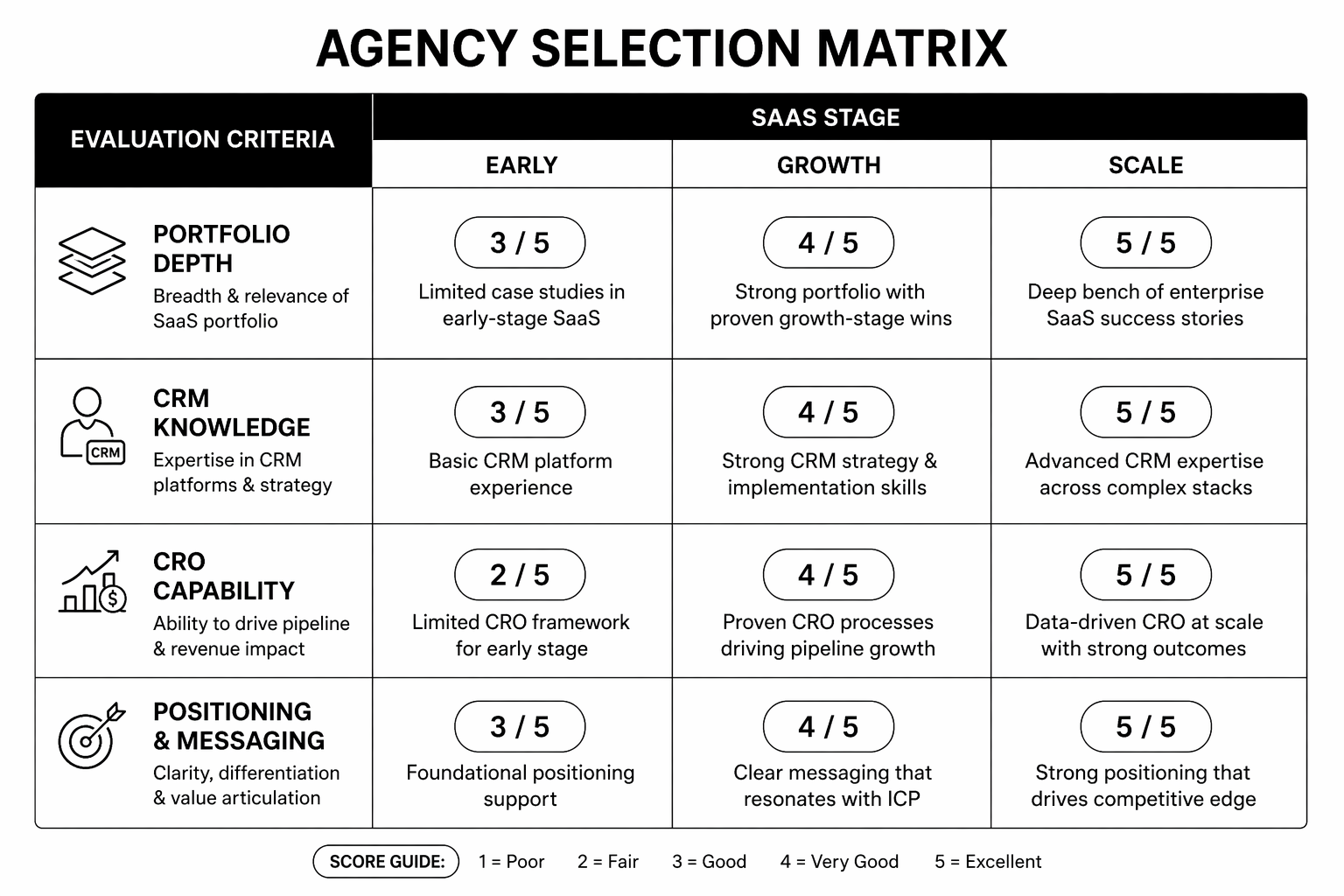
The SaaS Webflow Agency Scorecard
— a detailed evaluation framework to rank agencies by criteria, reference call notes, and proposal strength.

That’s enough scrolling for now – chat to a Webflow Expert today!

Contact Us

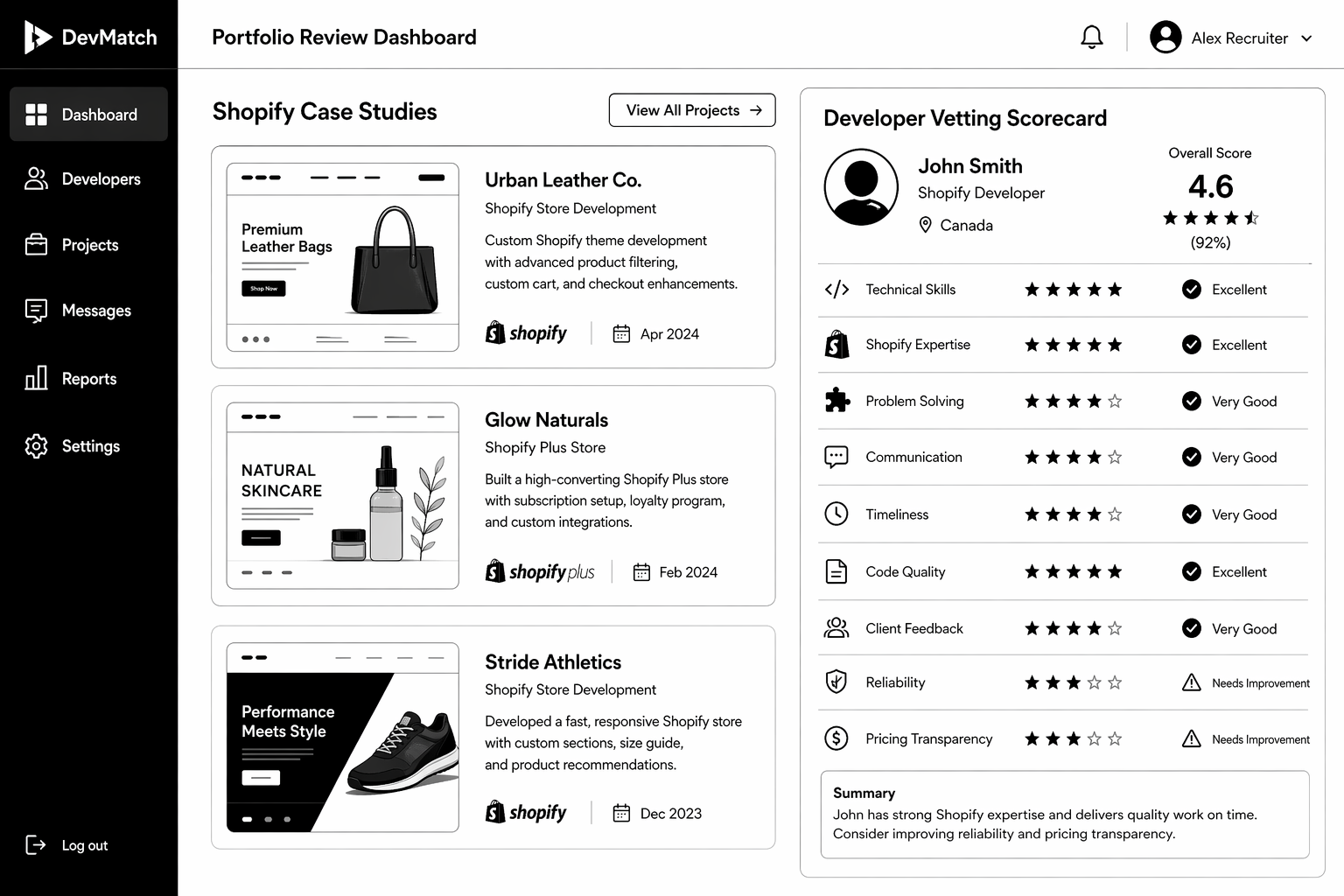
How to Hire a Shopify Developer Without Getting Burned

Bad Shopify hires are expensive. A developer who oversells headless, overgeneralizes Best practices, or charges six months for a two-month build can cost you real money and delay your launch.

This guide walks through the vetting process: portfolio red flags, questions that expose weak candidates, pricing psychology, and how to structure an engagement that protects you. Written for founders, CMOs, and ecommerce leaders evaluating Shopify developers and agencies.

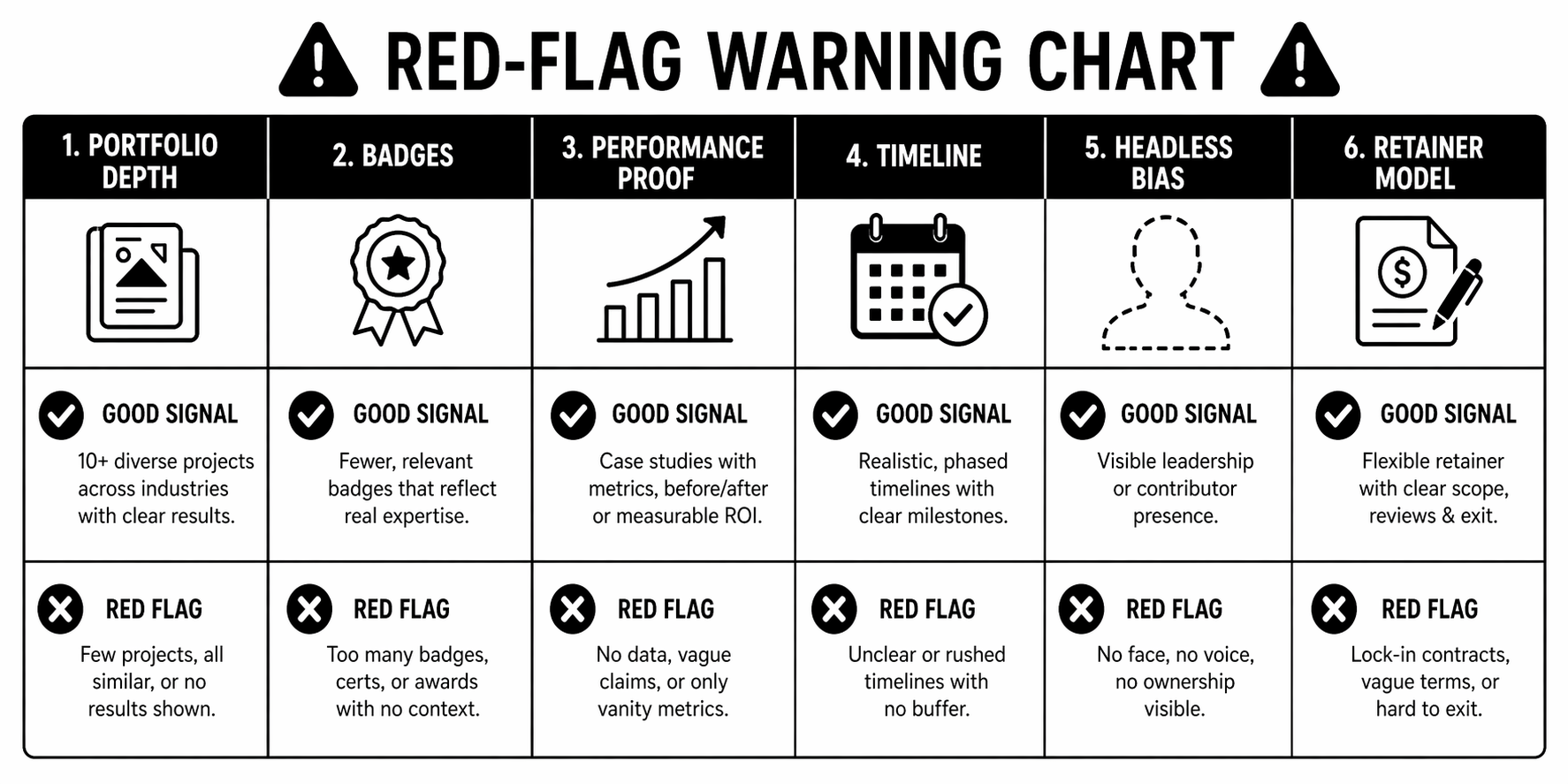
Red Flags Before You Interview

  • Portfolio shows only template customisations. No custom builds. This person is not equipped for complex projects.
  • “Expert” title but no Shopify Partner badge. Shopify Partner program exists for a reason. Missing badge raises questions.
  • No case studies with performance metrics. “We built a store” is meaningless. “We built a store that increased conversion 15%” means something.
  • Quotes 2 weeks for a custom Shopify build. Timeline that’s too fast signals corners are being cut.
  • Recommends headless Shopify immediately. Headless is sometimes right, but 90% of DTC brands don’t need it. If they lead with headless, they’re solution-selling.
  • No post-launch retainer option mentioned. Shopify development is rarely “done.” Developers who don’t offer ongoing support are implying the code will break.

The Questions That Expose Weak Developers

Ask these in interviews:

“Walk us through a recent build where conversion rate optimization was part of the scope. What did you measure? What did you change? What was the impact?” — Weak developers talk about features. Strong developers talk about revenue impact.

“Tell us about a project that shipped late or over budget. What happened and what would you do differently?” — Honest answer = experienced. Blank stare or deflection = avoid.

“When would you recommend custom headless over Shopify Online Store 2.0? When would you recommend staying on OS 2.0?” — If they recommend headless for everything, they’re platform-agnostic and not Shopify specialists.

“What’s your process for app selection and vendor management during builds?” — Good developers have a template. Bad ones figure it out during the build.

“Show us a specific store where you cut app costs or improved performance post-launch.” — Evidence of ongoing optimization.

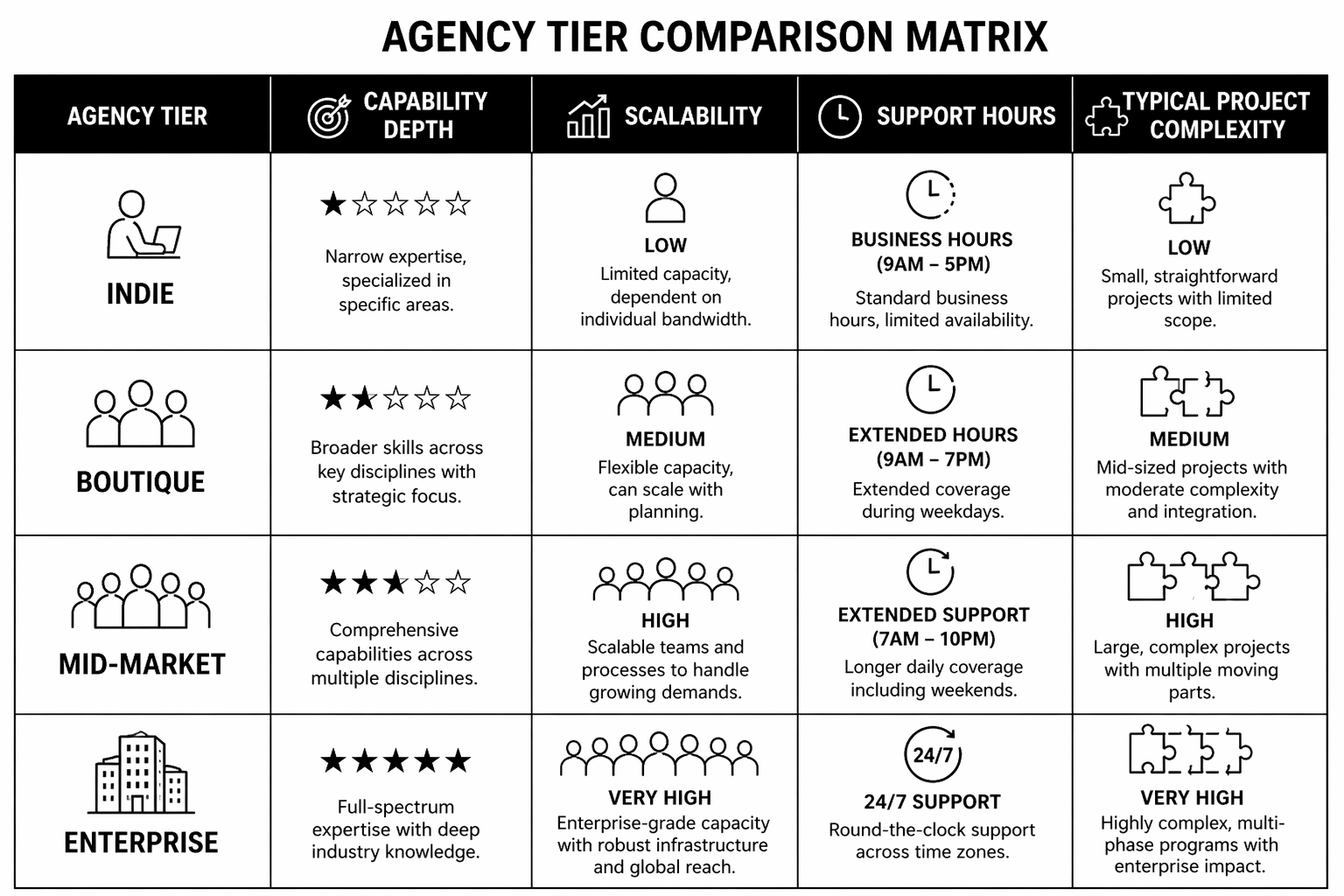
Pricing Psychology and Rate Reality

Shopify developer rates vary wildly by market, seniority, and geography:

  • Freelancers: $30–80/hour (often lower quality, higher risk)
  • Boutique agencies (1–5 people): $75–150/hour (often strong but scaling risk)
  • Mid-size agencies (5–20 people): $100–200/hour (consistent quality, better stability)
  • Enterprise agencies (20+): $150–300/hour (premium pricing, premium delivery overhead)

Red flags:

  • Hourly rates below $40/hour often indicate junior developers or outsourced teams in low-cost countries. Quality varies wildly.
  • Fixed-price quotes with no scope detail. “£30k for a Shopify store” means nothing without defined deliverables.
  • Retainer fees lower than £2k/month usually cover minimal support. Expect slow response times and limited iteration.

The Test Task: How to Actually Evaluate

Never hire a developer without a practical test. Portfolio is not proof.

Structure a 2–3 hour paid test:

1. Scope: “Build a custom product filtering interface for a Shopify store with 200+ items. Use our product tags as filter values. Show count per tag. Include a reset button.”

2. Success criteria: Code quality, functionality, performance, documentation. Not polish — functionality.

3. Evaluation:

  • Did they deliver on time?
  • Does the code work?
  • Is it clean and maintainable?
  • Did they ask clarifying questions upfront or build in the dark?
  • Can they explain their decisions?

Pay them fairly for this work (~£200–400). If they balk at a paid test, they’re not serious.

Hired someone and they’re underperforming? Our Shopify development team takes over mid-project rescues and builds. Book a consultation.

Structuring the Engagement for Protection

Fixed-price contracts: Best for well-defined scope. Include scope creep limits (e.g. “anything beyond these five pages = time-and-materials”).

Time-and-materials: Use for discovery or complex projects with evolving requirements. Cap with a total budget ceiling.

Retainers: £2–8k/month for ongoing support, updates, and optimization. Should include hours for iteration, not just bug fixes.

Success metrics in contract: Define what “done” means. Core Web Vitals green. Forms submitting cleanly. Checkout conversion at baseline or better. Store performance metrics locked.

After You’ve Hired: Prevent Disaster

  • Weekly syncs. Not just status updates — architecture decisions, blocker troubleshooting, roadmap clarity.
  • Staged payments. Not all upfront. Tie payments to milestones (design approved, development 50%, launch).
  • Source code access. You should own the code and have backups. Custom work belongs to you.
  • Documentation. Require it. Custom code should be documented for the next developer who touches it.
  • Post-launch retainer. Even strong builds need ongoing care. Build this into the budget.

If you’re comparing Shopify against other platforms, see Shopify vs WooCommerce vs BigCommerce to confirm you’ve chosen the right platform before investing in developer hiring.

FAQ

How much should I pay a Shopify developer?

£50–150/hour for solid freelancers or small agencies. £100–200/hour for established boutique firms. Anything below £40/hour is likely to disappoint. Anything above £250/hour you’re paying for brand, not skill.

Should I hire a freelancer or an agency?

Freelancers: cheaper, faster for small scope. Agencies: more stable, better for complex projects, scaling, and ongoing support. For mission-critical stores, agency is safer.

What do I ask in a developer interview?

See the section above. Focus on revenue impact and specific examples. Generic answers = pass.

How do I avoid scope creep?

Lock scope in writing upfront. Define change request process. Require written approval before adding work. Cap change requests in the contract.

What if the developer misses the deadline?

Structure contract with clear timelines and late penalties. Include contingency in your launch plan (usually 2–4 weeks). Real developers build this in — if they won’t commit to a timeline, it’s a warning sign.

Conclusion: Hiring is the First Project Decision

The quality of your Shopify store depends almost entirely on who builds it. Vetting takes time upfront but saves multiples in rework and delays.

Use this framework. Ask the hard questions. Run the test. Pay fairly. You’ll hire the right person.

Need help finding or vetting Shopify developers? Our Shopify development team works with founders on hiring decisions and can rescue mid-project builds. Book a consultation.


The Shopify Developer Vetting Checklist
— a detailed scoring sheet to evaluate candidates, test work, and compare proposals.

That’s enough scrolling for now – chat to a Shopify Expert today!

Contact Us